Travel analysis: Why Interrail has become Europe’s hottest travel trend
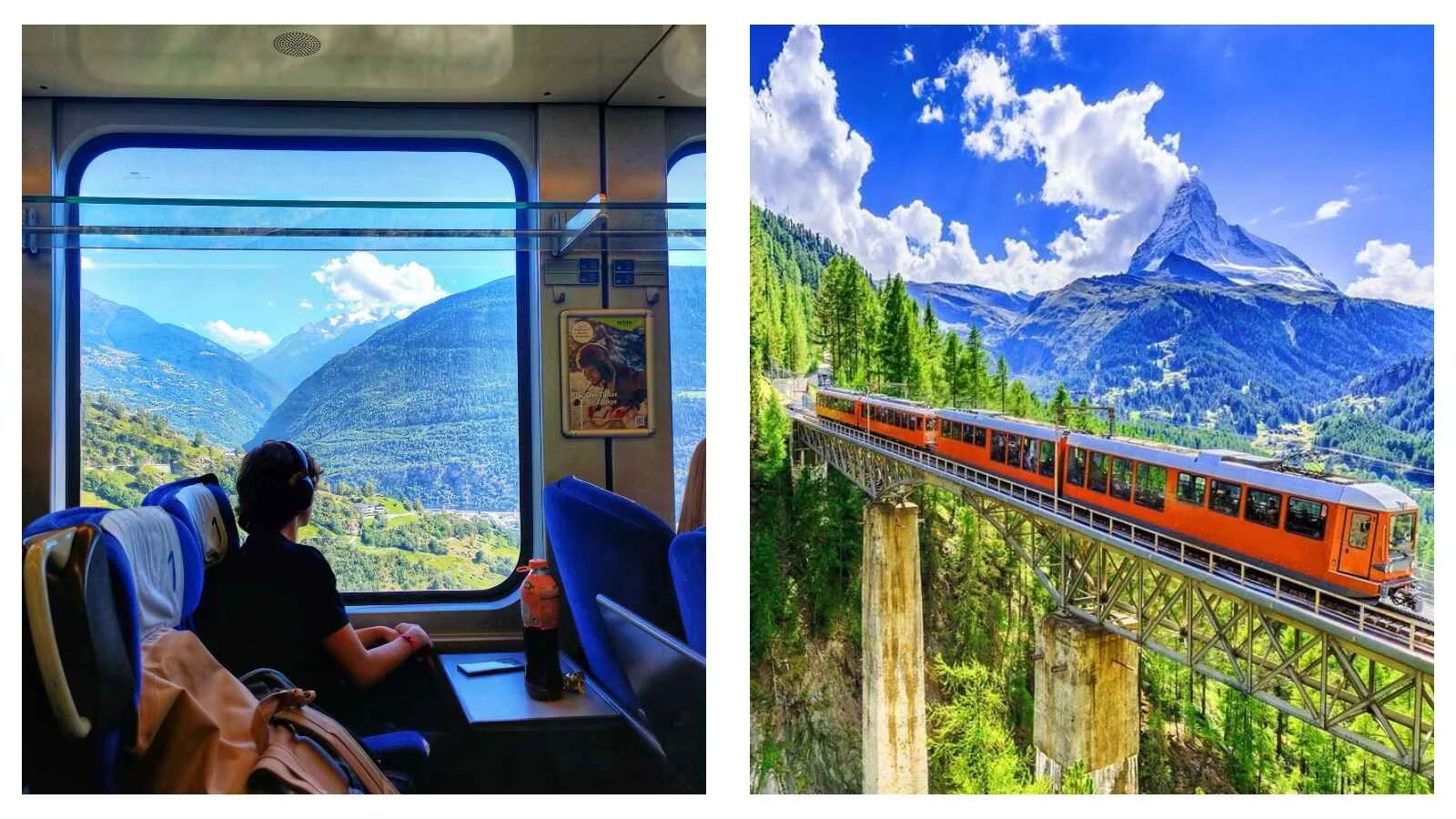
Since the emergence of budget airlines, European travel has become faster, cheaper and more accessible, transforming holidaymaking.
Weekend city breaks and longer holidays in warmer climates, particularly in southern Europe, have become popular with travellers, from families to young backpackers alike.
However, a growing number of young travellers are beginning to swap airport terminals for railway stations.
Interrailing has seen a revival.
Introduced in the 1970s to commemorate the 50th anniversary of the International Union of Railways, the Interrail Pass allowed young people to travel across more than 21 countries per month at a reduced cost.
From overnight sleeper trains connecting capital cities across mainland Europe to scenic mountain railways through the Alps, travellers are placing increasing emphasis on the journey itself, rather than simply arriving at a destination.
Travel News Blitz’s Natalie Callagher explores why train travel has become one of Europe’s fastest-growing travel trends.
YOU MAY ALSO LIKE: Travel analysis: Why is the Mediterranean becoming a year-round destination?
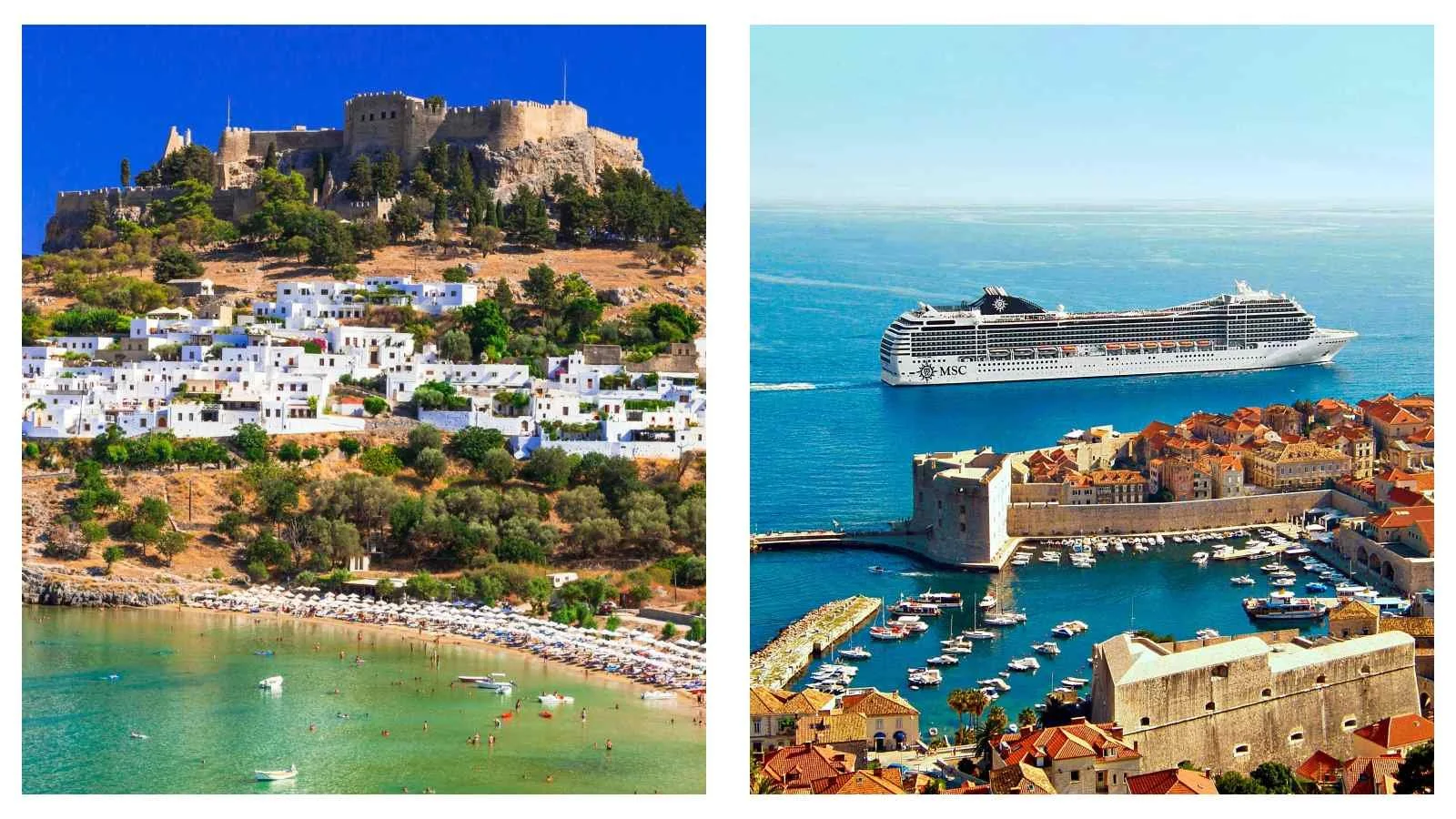
Interrailing is experiencing a revival among Gen Z
Young travellers are increasingly eager to explore the world.
Interrailing makes seeing the world far more achievable, allowing travellers to visit multiple countries in one holiday.
A resurgence in backpacking culture, combined with the growing popularity of gap years, has contributed to the revival of Interrailing.
Additionally, many people are choosing to become digital nomads, embracing rail travel as a way of combining work and travel.
The path to becoming a digital nomad is now far more established, with the rise of content creators allowing people to travel the world while creating content that helps fund further travel.
Interrailing offers a level of flexibility that flights cannot.
Taking a train through Europe allows travellers to wake up in Vienna, have lunch in Budapest and arrive in Prague a few days later, making Interrailing ideal for those craving adventure.
The rise of slow travel is changing holiday priorities
Interrailing has transformed travel in Europe from a collection of separate holidays into one interconnected adventure.
Although Interrailing allows travellers to visit multiple destinations, it also lends itself to a slower pace of travel.
Long travel days and scenic train journeys provide plenty of opportunities for travellers to travel more mindfully, appreciating the scenery along the way.
Flying often involves airport queues, security, baggage restrictions and hours spent waiting, whereas Interrailing allows travellers to move directly between city centres with less waiting time and more scenic journeys.
Rather than losing a day to air travel, passengers can watch vineyards, mountains and lakes unfold outside their windows.
Sustainability is encouraging travellers to choose rail
For environmentally conscious tourists, trains offer a practical way to reduce the carbon footprint of multi-country holidays without sacrificing convenience.
Rail travel aligns with a growing interest in sustainable tourism, especially as it produces significantly fewer emissions than aviation.
Due to the environmental benefits of rail travel, many companies and governments are encouraging rail travel, while Europe is investing heavily in rail infrastructure across the continent.
This makes Interrailing especially popular with younger travellers, as it is not only an efficient mode of transport but also a far more sustainable alternative to other forms of international travel.
Europe’s expanding rail network is making multi-country trips easier
Complicated flight connections are no longer necessary, as many cities are now linked by direct rail routes, and the rail network itself is becoming one of Europe’s biggest tourist attractions.
Everything from modern booking apps and high-speed rail to easier cross-border travel and new sleeper trains has made Interrailing more accessible than ever to young travellers.
New and enhanced routes, including the Vienna to Paris Nightjet sleeper and direct services between Berlin and Paris, have made long-distance rail travel a practical alternative to flying.
Popular routes include Amsterdam, Berlin, Prague, Vienna, Bratislava, Budapest, Zagreb and Lake Bled, allowing holidaymakers to experience several European countries and their unique cultures in one trip.
Modern improvements to rail travel and cross-border train services have made Interrailing easier than ever.
Apps such as Rail Europe, Trainline and Omio allow passengers to compare routes quickly and easily from their phones.
Using these apps, travellers can also reserve seats, which is especially important for longer journeys.
As Europe’s rail infrastructure continues to develop, travelling between countries is becoming easier and more convenient for travellers wanting to experience multiple destinations in one holiday and create unforgettable memories.
READ MORE: Travel analysis: Why are "coolcations" replacing Mediterranean holidays?
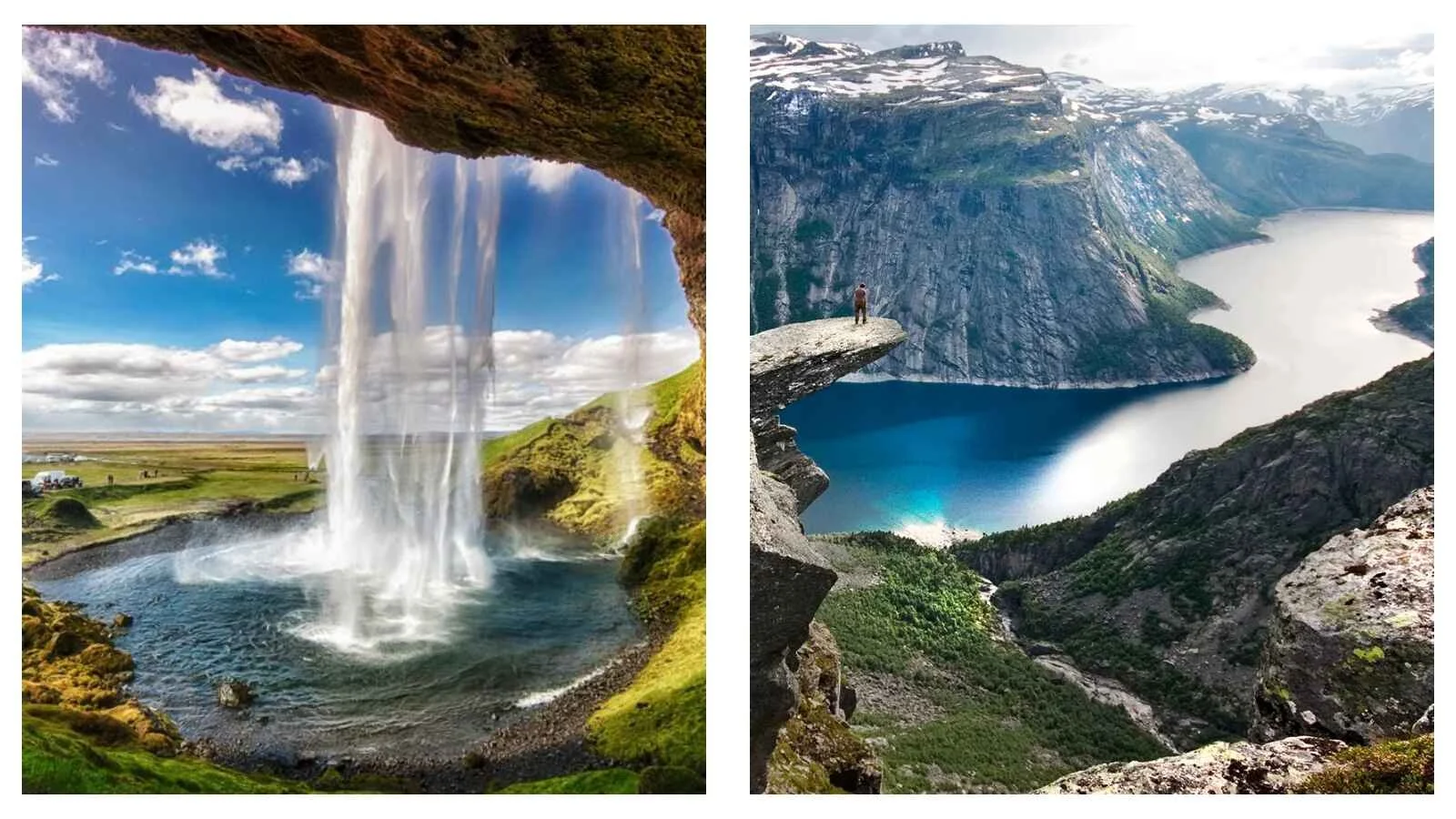
Enjoying the journey
Scenic routes are becoming destinations in themselves, and some rail journeys are now famous experiences rather than simply a means of transport.
Instead of looking out over clouds from 35,000 feet in the air, travellers can watch glaciers, lakes and vineyards pass by.
Whether watching the mountains and lakes from the Bernina Express or travelling between Zermatt and Gornergrat to see the jagged peak of the Matterhorn, Interrailing offers no shortage of idyllic landscapes.
Elsewhere, Austria’s Alpine railways showcase snowy mountains, while Norway’s spectacular rail routes weave through fjords, waterfalls and remote mountain scenery.
In warmer climates, such as Italy, railways connect coastal villages while offering spectacular views of the Ligurian coastline.
While these landscapes are breathtaking in person, many of these journeys have also gained popularity through social media, propelling them into the spotlight.
Videos showcasing the panoramic views from luxury sleeper train cabins are reaching millions of viewers on social media, encouraging travellers to choose rail not only for its convenience, but because the journey itself has become an essential part of the holiday experience.
One ticket unlocks dozens of Europe’s most iconic cities
From seeing the canals of Amsterdam to exploring Berlin’s creative culture, Prague’s Old Town, Vienna’s coffee houses and Budapest’s thermal baths, Interrailing offers a multitude of experiences.
One popular route begins in Paris before continuing through Milan, Lake Como, Verona, Florence, Rome and Venice, combining Alpine scenery with historic cities.
Routes like these combine Renaissance history with Italy’s idyllic lakes, world-famous cuisine and remarkable architecture.
For travellers wanting beaches, food and sunshine while still travelling sustainably, the Iberian route is recommended, beginning in Paris before passing through Bordeaux, Madrid, Porto, Lisbon and Seville, before finishing in Barcelona.
No matter what type of experience you're looking for, Interrailing through Europe offers endless possibilities across some of the continent’s most iconic destinations.
Whether crossing the Swiss Alps on the Bernina Express or boarding an overnight sleeper train between capital cities, Europe’s rail network is becoming an essential part of the adventure.
As younger travellers increasingly prioritise experiences over convenience, Interrailing could become one of Europe’s most popular travel trends, with continued investment in rail networks making it even more appealing in the years to come.
READ NEXT: Travel analysis: Why is Rome one of Europe’s most visited cities for tourists?