Travel analysis: Why is Rome one of Europe’s most visited cities for tourists?
Rome has captivated travellers from around the world for centuries.
Despite the emergence of countless new travel hotspots, Italy’s capital continues to rank among Europe’s most visited cities.
Travel trends are constantly changing, with different destinations rising and falling in popularity, however Rome has remained an evergreen destination for tourists.
The Eternal City offers a unique blend of ancient history, world-famous landmarks, exceptional cuisine and religious significance, and authentic Italian lifestyle, appealing to every type of traveller.
Travel News Blitz’s Natalie Callagher analyses why Rome is continuously ranked amongst the best destinations in Europe to visit for travellers looking for a weekend city break to travellers looking for a luxury holiday or a wider tour of Italy.
Thousands of years of history on display
One of Rome’s greatest tourist attractions is its extraordinary history.
With history dating back to 753 BC, and over 2,500 years of continuous civilisation, the city allows visitors to get lost in its ancient culture.
Walking through Rome is like stepping into a living museum.
You will find yourself walking on the same roads that were once used by Roman emperors, gladiators, philosophers and politicians, providing a real sense of what Ancient Rome would have been like.
Rome’s history isn't just confined to museums; it’s woven into everyday life, often described as one open-air museum.
Ancient ruins stand alongside cafes popular with locals and tourists alike and Renaissance churches look out over bustling piazza’s, blending past and present into a harmonious experience that attracts many annually.
Beyond its architecture, Rome is also home to masterpieces created by some of history’s greatest artists, including Michaelangelo, with his work famously seen inside the Sistine Chapel.
This unique concentration of artistic and architectural heritage in Rome ensures there is always something new to discover, even for returning visitors.
Some of the world’s most iconic landmarks
Few cities around the world host as many iconic landmarks as Rome.
The Colosseum is one of the world’s most widely recognised monuments and sits high atop many travellers’ Italian bucket lists.
Nearby, the nearby Roman Forum and Palatine hill provide an insight into the political and social epicentre of Roman life, dating back to the Roman Empire.
The Eternal City also boasts the incredibly preserved Pantheon that continues to impress visitors after being built more than 2,000 years ago.
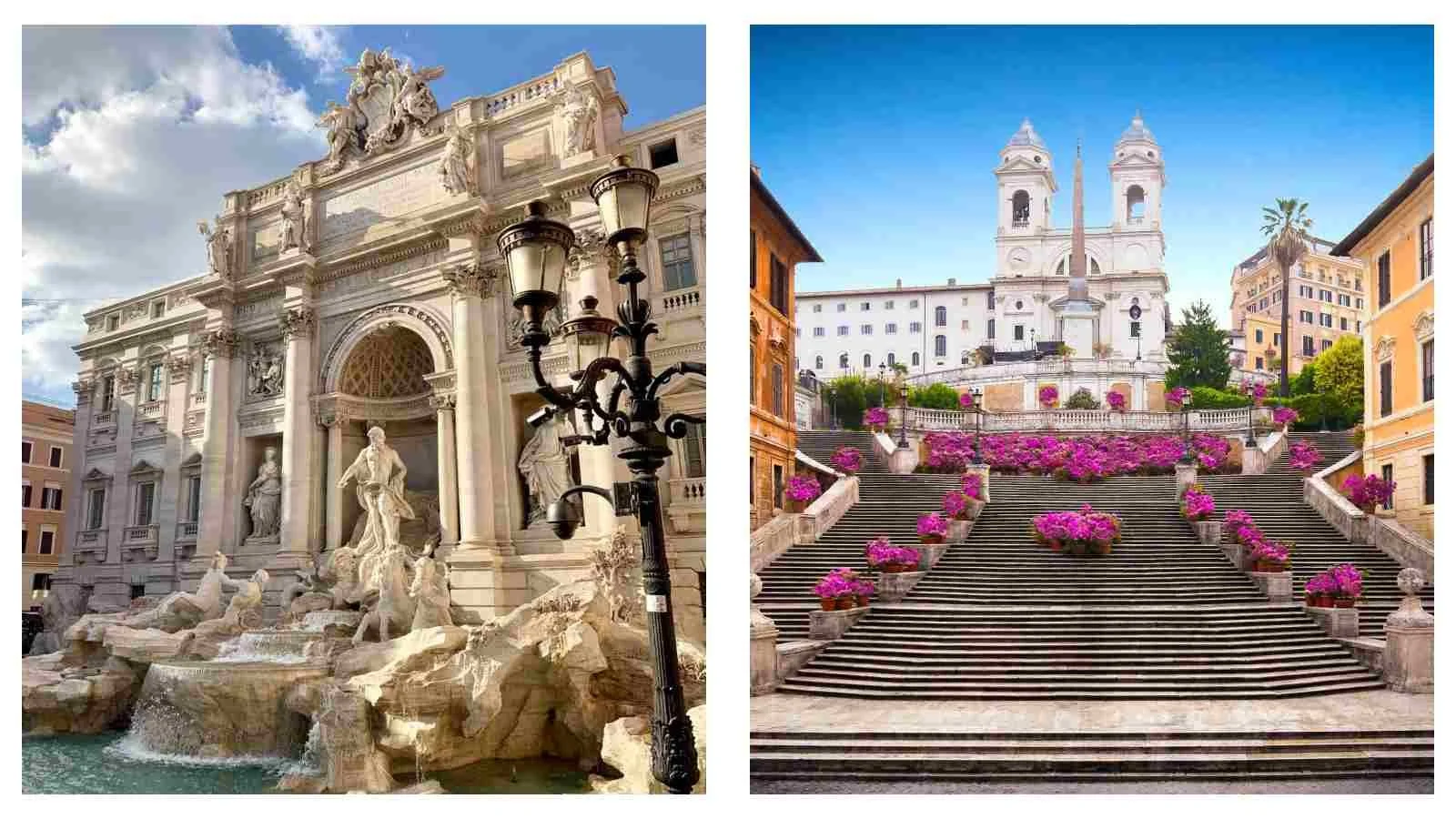
Across the city, tourists also flock to the Trevi Fountain to take part in the longstanding tradition of tossing a coin over their shoulder to ensure good luck and a return to Rome.
The Spanish Steps remain one of the city's most photographed locations.
Each spring, from mid April to mid May, weather permitting, they are decorated with colourful azaleas, as part of the annual Infiorata tradition, acting as a testament to Rome’s floral artistry and another reason for tourists to visit the city.
Being the home to so many internationally recognised landmarks within a relatively compact, walkable city allows visitors to explore lots of attractions within a short space of time, making Rome perfect for short city breaks, or even longer holidays if a slower pace is your priority.
MORE FROM NATALIE CALLAGHER: Travel analysis: Why are Gen Z travellers choosing the Balkans over Western Europe?

Spiritual heart of Catholicism
Rome’s appeal extends far beyond the aesthetics of its ancient landmarks for many.
The city’s religious ties to Catholicism, as the centre of the Roman Catholic Church, is the grounds to some visitors’ trips to the city.
With the Vatican City, an independent state that serves as the headquarters of Catholicism, sitting in the middle of Rome and attracting millions of visitors per year, tourists and religious pilgrims alike visit Rome with intentions of also visiting this place of religious importance.
Once you’ve entered the Vatican City, St. Peter’s Basilica, the Sistine Chapel and the Vatican Museums also offer breathtaking architecture, centuries of history and some of the world’s most celebrated works of art.
The hosting of religious events also contributed massively to Rome’s religious tourism industry.
Easter celebrations and jubilee years see a massive rise in tourists visiting Rome as pilgrims commonly travel to participate in one of the Catholic Church’s most important religious celebrations.
World-renowned food
It’s no secret that Italy is famous for its cuisine worldwide, and Rome offers some of the country’s most iconic dishes.
Rome is the birthplace of classic dishes including carbonara, cacio e pepe, amatriciana and Roman-style pizza and provide visitors with authentic flavours that have become synonymous with the capital.
Beyond individual dishes, the food culture in Rome is a major attraction in itself.
Local, neighbourhood cafes offer the perfect place for a morning espresso and lively restaurants in piazzas encourage visitors to embrace Italy’s relaxed approach to dining.
Food tourism has become one of the city’s fastest-growing sectors and Rome continues to benefit from its reputation of being one of Europe’s leading food destinations.
With so many different restaurants and cafes on offer, it's hard to get bored of Rome’s culinary culture.
Walkable neighbourhoods full of character
Being so easily walkable, Rome’s layout makes exploring easy and accessible.
Picturesque neighbourhoods, interspersed by busy piazzas and historic landmarks are connected by walkable streets, allowing visitors to amble through the city, stumbling across hidden churches and shops that are not as overrun by tourists.
Popular areas like Trastevere offer cobbled streets, colourful buildings and authentic local restaurants whilst Monti showcases a mix of modern and ancient culture and rich history.
Tratstevere also comes alive at night, as people come together in Piazza Trilussa to enjoy live music and soak up the atmosphere of the city.
This balance between world famous attractions and authentic neighbourhoods, encouraging tourists to immerse themselves in the Italian way of life, assigns Rome with an atmosphere many other cities fail to recreate, making it so popular to tourists.
Easy to reach and easy to include
Rome’s enduring popularity could also be due to how accessible it is.
Rome’s main airport, Leonardo da Vinci-Fiumicino Airport, offers direct connections to many global destinations making the city easily accessible to international travellers.
Italy’s high-speed rail network also runs through Rome making it easy to combine trips to Rome with a tour of other major Italian destinations, like Florence, Naples and Venice.
This has arguably become a more popular route of travel more recently as inter-railing through Europe has gained more popularity.
An evergreen destination
Whilst some European destinations have significantly notable tourist seasons, accompanied by a considerable drop in tourists during winter, Rome falls outside of this trend, attracting visitors all year round.
Winters in Rome remain relatively mild, creating comfortable temperatures to walk the city and see its landmarks, in comparison to winter temperatures in Northern Europe.
Winter in Rome also offers tourists a chance to see one of Europe’s holiest cities during the Christmas season when festive markets, decorations and religious celebrations transform the city.
Spring and autumn in Rome also welcome large numbers of tourists, with the weather in these shoulder seasons providing the perfect conditions for city breaks.
This year round appeal helps maintain Rome’s position as one of the most visited cities in Europe.
Social media fuelling popularity
It would be difficult to ignore the involvement of social media in the popularity of the city.
Although Rome’s appeal predates the digital era, social media has introduced Rome to a new generation of travellers.
Its instantly recognisable landmarks, picturesque cafes and rooftop restaurants frequently feature in viral videos across TikTok and Instagram, inspiring millions of users to recreate similar experiences, contributing to Rome’s evergreen popularity.
Even without social media, Rome’s ability to cater for such a wide array of tourists is unparalleled; whether seeking history, culinary heritage or world famous landmarks, Rome was always destined to be popular amongst tourists.
While many destinations only experience brief moments of popularity in the spotlight, before being replaced by the next trending location, Rome continues to experience high volumes of tourists, proving the timeless nature of the city.
Its unrivalled combination of history, cuisine and culture ensure The Eternal City remains a destination that continues to draw tourists back year on year, popular amongst all generations.
READ NEXT: Travel guide: Five things to do in Marrakech, Morocco