Travel analysis: Why are "coolcations" replacing Mediterranean holidays?
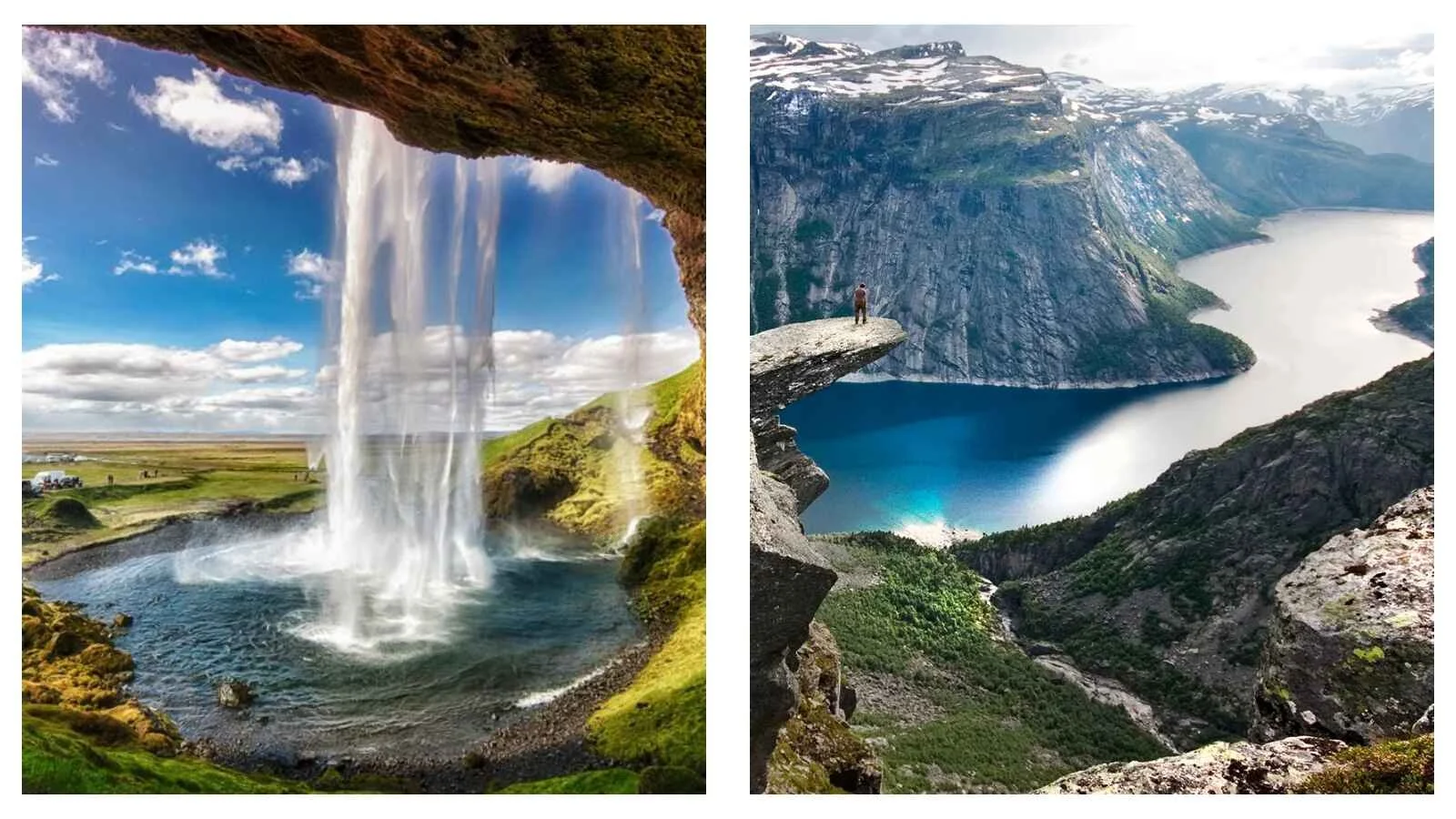
For decades, summer travel has been dominated by Mediterranean beaches, hot climates and city breaks where temperatures exceeding 30°C are not uncommon.
However, rising temperatures, overtourism and a desire for more unique adventures are encouraging travellers to seek different, cooler destinations instead.
Destinations that were once considered winter only escapes, such as Iceland, Norway and Finland, are now becoming attractive year round destinations as the "coolcation" trend grows.
Travel News Blitz's Natalie Callagher explores the rising popularity of these destinations.
Rising temperatures are changing the way people travel
Travellers are increasingly swapping sun loungers for glaciers, fjords and Arctic landscapes.
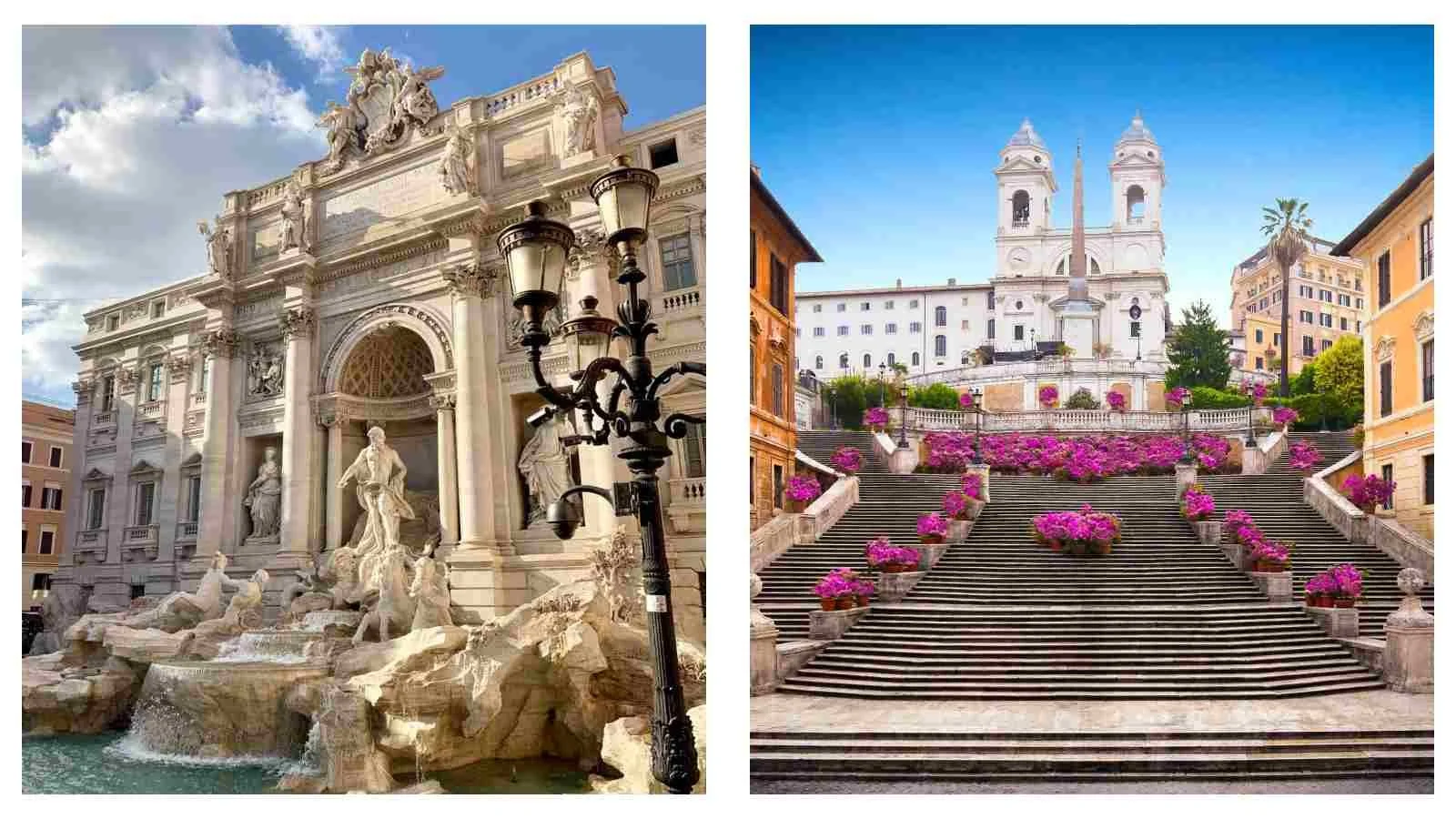
As temperatures continue to soar across southern Europe, destinations such as Athens, Rome and Seville regularly experience extreme heat during July and August, making them less appealing to some tourists as sightseeing becomes increasingly uncomfortable.
Cooler destinations offer more comfortable temperatures whilst still providing ample opportunity to explore.
Iceland and Norway are often at the top of travellers' lists when it comes to visiting cooler destinations.
In Iceland, average summer temperatures reach around 15°C, which is noticeably cooler than those experienced across much of the Mediterranean at the same time of year.
These cooler temperatures are a stark contrast to those in southern Europe. However, they are not the only appeal of Nordic countries.
Longer daylight hours allow visitors to explore everything from the Seljalandsfoss and Skogafoss waterfalls to volcanoes, glaciers and famous geothermal hotspots and blue lagoons without feeling rushed.
Alternatively, Norway offers dramatic fjords, towering mountains and a wide range of outdoor activities.
The midnight sun in Nordic countries also affords visitors ample time to explore everything on their itineraries, making it easy to pack each day with adventure.
Seeking cooler climates has recently become a popular travel trend, with northern destinations offering a wealth of travel advantages.
YOU MAY ALSO LIKE: Travel analysis: Why is Rome one of Europe’s most visited cities for tourists?
The rise of "coolcation" travel
As travellers increasingly seek adventure and opportunities to discover new corners of the globe, particularly in cooler and less well known destinations, a new travel trend has emerged: the "coolcation".
Rather than escaping cool weather, travellers are now actively seeking it.
A "coolcation" refers to a holiday chosen for a cooler climate, where travellers trade blistering heat for more comfortable temperatures while often enjoying greater opportunities for adventure.
"Coolcations" have become particularly popular among Gen Z travellers, who prioritise meaningful experiences, sustainability and unique landscapes over traditional luxury beach resort holidays.
Travellers are searching for experiences, not just relaxation
Modern travellers are increasingly prioritising adventure in search of unique, relatively undiscovered landscapes that can offer once-in-a-lifetime experiences.
Adventure tourism has only grown in popularity in recent years, with experiences increasingly prioritised over luxury resorts.
Glacier hiking, whale watching, kayaking through the Norwegian fjords and exploring Iceland's waterfalls provide experiences that are difficult to replicate anywhere else in Europe.
It is this sense of uniqueness that makes these destinations so appealing.
While Finnish Lapland is most commonly known for its Christmas tourism and winter holidays, the country has been attracting increasing numbers of visitors outside of the festive season.
In summer, travellers to Finland can enjoy a wide variety of activities.
Visitors can canoe across one of the country's 187,000 lakes, sail beneath the midnight sun or hike through its vast national parks.
As summer gives way to autumn, visitors can enjoy colourful Arctic landscapes before the return of the spectacular Northern Lights during winter.
Social media is transforming "off-season" destinations
Platforms like TikTok and Instagram have transformed how travellers discover destinations.
Places that once seemed inaccessible have become realistic travel options thanks to the growing influence of social media.
These platforms have not only introduced remote locations to a global audience, but have also become valuable research tools for travellers seeking authentic reviews and recommendations from people documenting every stage of their journeys.
Viral drone footage of Norway's fjords and Iceland's black sand beaches and Arctic landscapes has introduced millions of travellers to destinations they may never have previously considered for a summer holiday.
Social media has also helped redefine what many travellers consider the perfect holiday.
Whilst scenic imagery of pristine beaches and luxury restaurants continues to perform well online, remote landscapes and outdoor adventures have become increasingly popular.
Travellers are searching for adventure more than ever before, craving unique experiences away from the crowds.
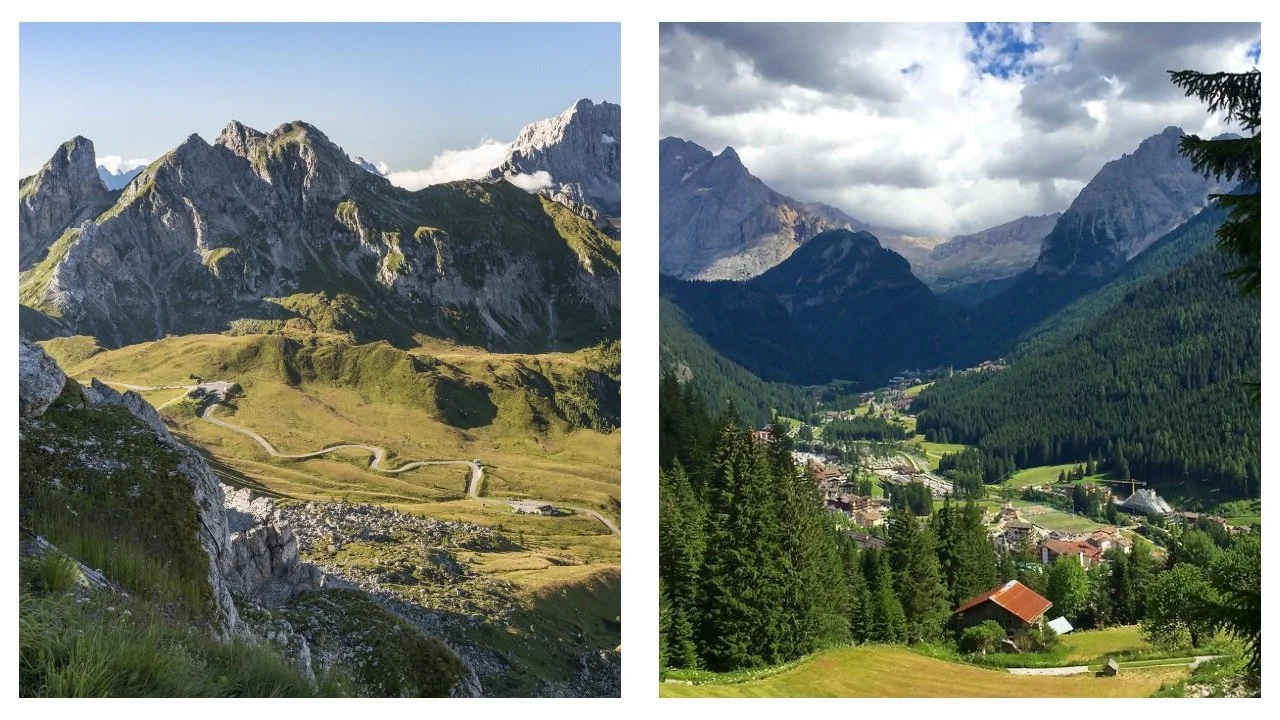
Whether it's the remote Nordic countries of northern Europe or the equally adventurous landscapes of the Dolomites, travelling to cooler environments during summer has become increasingly popular, and it would be naive to overlook social media's influence on this trend.
READ MORE: Travel analysis: Why the Dolomites in Italy are a must-visit destination for summer 2026
Why Iceland, Norway and Finland are benefitting from this shift
As travellers increasingly move away from traditional summer hotspots and embrace northern European destinations, countries such as Iceland, Norway and Finland are reaping the rewards.
Iceland has become one of the biggest beneficiaries of this trend, with visitors drawn to its glaciers, waterfalls, geothermal lagoons and volcanic landscapes.
Whilst adventure tourism is booming in these cooler environments, eco-tourism is also extremely popular across the Nordic region.
Iceland has established itself as a global leader in eco-tourism.
Walking, cycling and low emission transport are actively encouraged in cities such as Reykjavik, alongside wider environmental initiatives.
Iceland's energy sector is also predominantly powered by geothermal and hydroelectric sources, reinforcing the country's strong sustainability credentials.
Thanks to Iceland's commitment to sustainability, travellers can enjoy luxury eco-tours that showcase glaciers, volcanoes and geothermal landscapes while supporting the protection of the country's fragile environment.
Finland is also proving that it offers far more than winter holidays.
Beyond Lapland, visitors can explore stunning natural landscapes such as Lappajärvi Lake and Urho Kekkonen National Park.
Whether hiking, canoeeing or simply enjoying the tranquillity of nature, Finland provides a slower pace of travel that increasingly appeals to visitors seeking wellness and outdoor adventure.
It goes without saying that rising tourism to these cooler destinations benefits local economies enormously, providing a steadier flow of visitors and a more consistent stream of income for local communities.
As demand for discovering new, cooler destinations continues to grow, Iceland, Norway and Finland are well positioned to benefit from changing travel preferences, particularly as the "coolcation" trend continues to gain momentum.
READ NEXT: Travel analysis: Has the FIFA World Cup changed how the world sees America?