Travel analysis: Why is the Mediterranean becoming a year-round destination?
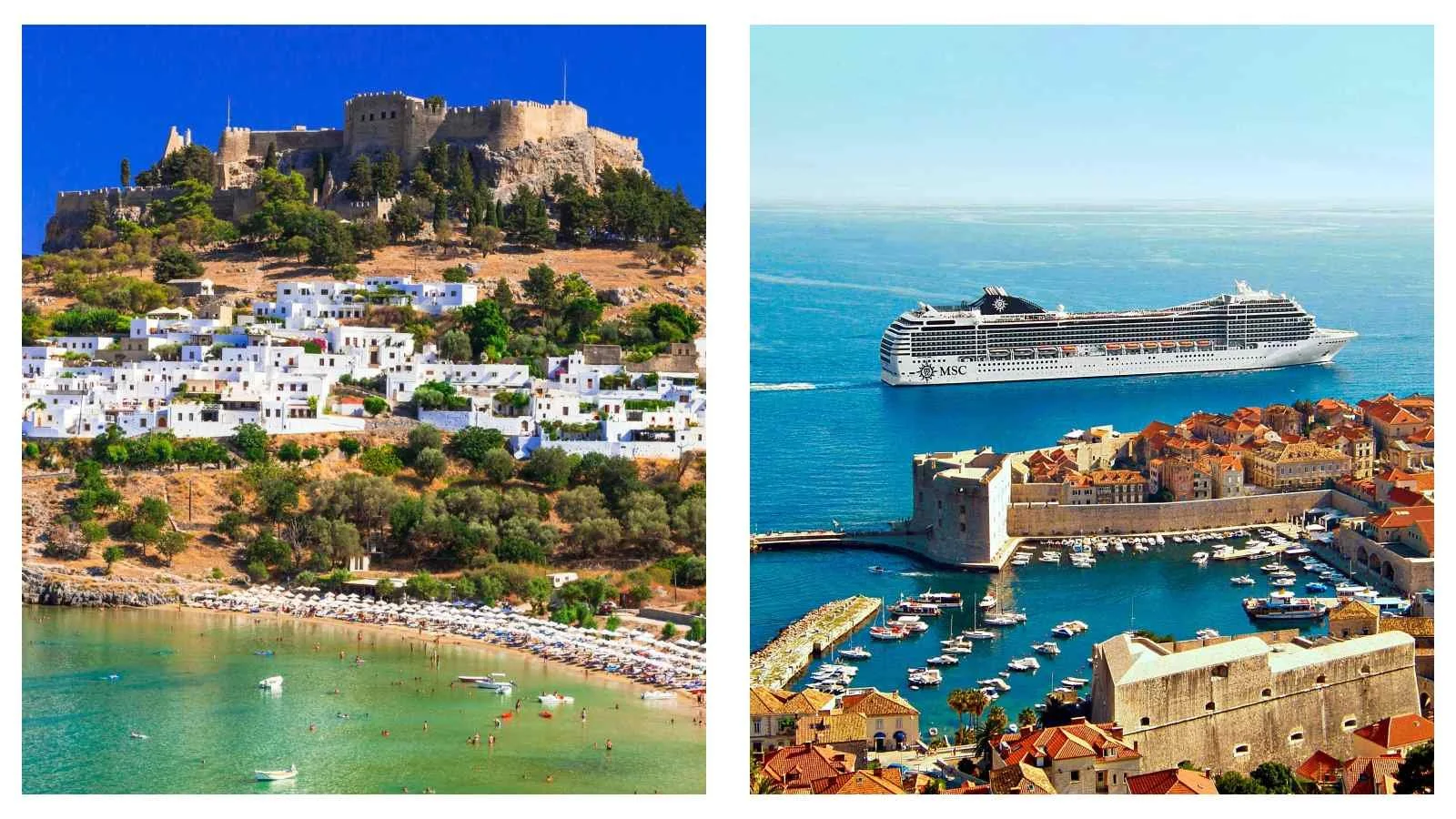
For decades, the Mediterranean islands have been synonymous with summer.
From the idyllic beaches in Crete and Mallorca, to historic towns like Sicily and Malta, millions of travellers have flocked to the Mediterranean islands in search of sun and sea.
However, changing travel habits are beginning to reshape when travellers choose to visit these destinations.
With climate change becoming more prevalent today, temperatures in the Mediterranean are reaching record highs.
The changing climate has made the Mediterranean islands more popular during spring and autumn, while some islands are even attracting visitors in winter too.
Travel News Blitz’s Natalie Callagher delves into the reasons behind the Mediterranean's new found popularity beyond the popular summer season.
Avoiding the extreme summer heat
One of the biggest factors influencing the shift towards travellers enjoying the Mediterranean in stereotypical off-peak seasons is the increasing temperatures across southern Europe.
The Mediterranean regularly experiences extreme temperatures during the summer months.
In 2021, Sicily, Italy, experienced heat up to 48.8°C.
Most recently, Andujar in Spain saw temperatures reaching 45.1°C on June 22, 2026.
These temperatures make sightseeing and outdoor activities uncomfortable during the peak holiday season, enough to convince many travellers to visit the region at different times throughout the year.
Spring and autumn offer warm, pleasant conditions for many travellers, which make it far more enjoyable to explore historic towns, relax on the beach or visit coastal villages without the exhaustion and heat stroke that can come from such intense sun exposure.
This trend reflects a wider change in European travel habits.
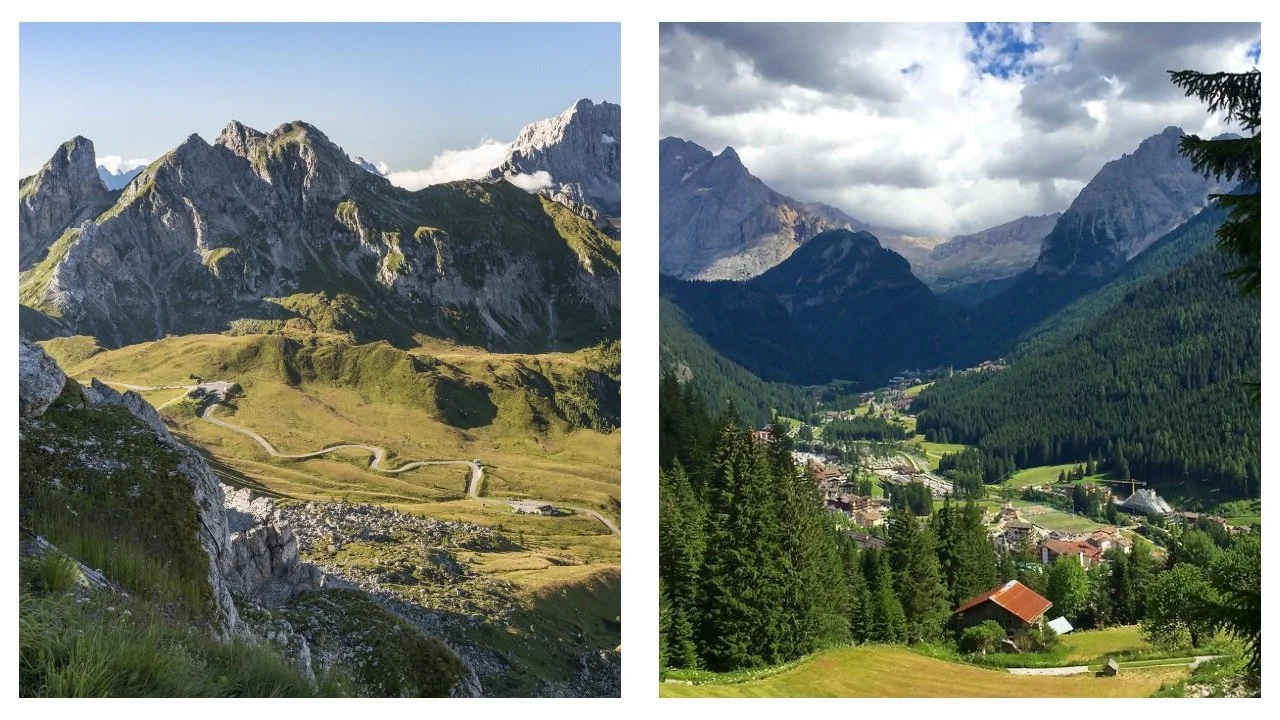
Whilst some travellers are choosing to completely avoid these Mediterranean destinations due to their extreme summer heat, and choose other locations like the Dolomites or Nordic countries for summer holidays, others still visit the Mediterranean but outside of its peak season.
YOU MAY ALSO LIKE: Travel analysis: Why the Dolomites in Italy are a must-visit destination for summer 2026
Why shoulder-season travel offers better value
Travelling outside of the peak summer season also brings significant financial benefits.
Due to demand, airlines and hotels often hike up their prices during peak summer months, and reduce them during the shoulder seasons.
Many Mediterranean destinations experience warm temperatures into September, a month that falls slightly outside of peak summer holiday season for many travellers.
This makes September a popular month for travellers craving the sun and warmth as the seasons start to change.
Beyond this, travellers wanting to avoid the heat often travel further into the shoulder seasons, allowing them to experience some of the Mediterranean's most popular destinations at a fraction of peak summer cost.
Travelling in shoulder seasons also means visitors benefit from fewer crowds; beaches are quieter, restaurants are easier to book and attractions can be enjoyed without long queues.
For many, this creates a more relaxed pace of life and therefore a more authentic experience as peak season crowds do not have to be contended with.
As the cost of travel, regardless of destination, continues to rise, shoulder season destinations are becoming increasingly attractive for travellers who are looking to maximise their budgets, with a bonus of enjoying the destination more deeply, without peak season crowds.
Growing interest in hiking, food tourism and culture
Mediterranean holidays are no longer centered around beaches exclusively.
Many travellers today are increasingly looking for experiences that immerse them in local culture, cuisine and nature, making the Mediterranean holiday destinations appealing throughout the year.
Whilst some destinations are known for their exquisite beaches, like Crete, travellers are also discovering other draws of the countries.
Crete has begun to attract hikers to the Samaria Gorge and visitors eager to discover traditional mountain villages, whilst Sicily has become a popular destination for wine tourism, food markets and excursions to Mount Etna.
Tourist guide companies have even begun to combine Sicily’s main attractions, offering day trips to Mount Etna with a three course meal included and wine tasting offered along the way!
Other Mediterranean destinations, like Mallorca, have become increasingly recognised for its cycling routes and hiking trails through the Serra de Tramuntana.
Smaller islands, like Malta, have also begun to attract visitors looking for a more culturally rich holiday, offering history, archaeology and UNESCO heritage sites.
These experiences are often best enjoyed during the cooler months and shoulder seasons to avoid blisteringly hot temperatures in the height of summer.
READ MORE: Travel tips: Three things you should do to get used to solo travelling

Shifts in work culture
The rise of remote and hybrid working has given people greater flexibility, allowing them to extend their holidays and combine work with travel.
Rather than being limited to one week stays, some travellers are now combining work with leisure and spending several weeks or even months abroad.
Reliable Internet connections and an abundance of long stay accommodation make the Mediterranean islands a well positioned holiday destination for travellers wishing to holiday outside of the peak summer months.
Staying for longer periods of time during the shoulder seasons also allows visitors to explore destinations beyond the main tourist attractions, or traps, giving a truly authentic experience.
Without the hustle and bustle of the peak summer months, tourists have more time to explore at a slower pace, support local businesses and discover more niche places that perhaps only the locals would frequent, experiencing everyday life in the Mediterranean, and not just following the same fast-paced itinerary as peak season travellers.
The Mediterranean is unlikely to lose its reputation as Europe's favourite destination for sun and sea, but as time progresses, the region is becoming more evergreen.
Climate change is pushing people away from travelling to warmer climates during peak summer months, and cheaper prices during shoulder seasons only encourage this behavioural shift further.
Cooler temperatures also allow for tourists to enjoy activities like hiking, or even a quiet amble through local squares far more comfortable.
As these shifts continue to influence the travel economy, Mediterranean destinations are likely to welcome more visitors year-round as the region is fast becoming more than just a summer holiday hotspot.
READ NEXT: Travel analysis: How Gen Z is rewriting the rules of travel