Travel analysis: Has the FIFA World Cup changed how the world sees America?
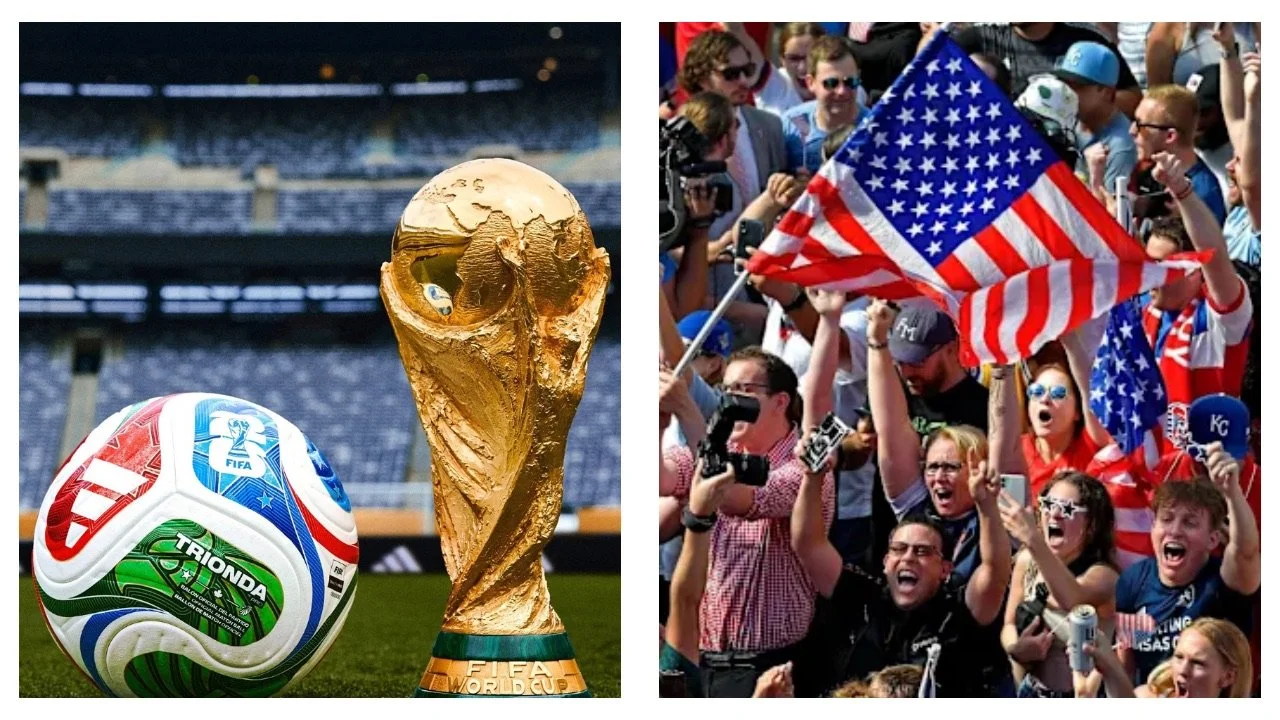
Millions of international visitors ventured to America for the World Cup this year, and what they found might not have been what they expected.
There has been a lot of controversy surrounding America and whether it was safe to visit or host the tournament, but the FIFA World Cup forced previously hesitant travellers to confront their concerns, writes Travel News Blitz writer Jesse-Ann Baron.
Why were tourists avoiding America before the World Cup?
There is immense irony in the United States hosting the biggest sporting event in football history while simultaneously suffering a big drop in international tourists.
In 2025, they saw a 5.5% drop in international tourism since 2024, becoming the worst single-year decline in two decades (excluding the pandemic period).
International appeal has completely declined with a drop of four million potential travellers from last year.
The tourism industry had massive growth in 2025 with a GDP increase of 4.1%, but North America was the slowest-growing region globally, rising only 0.9% in the US.
Approximately 80 million more people travelled internationally last year, but they chose alternative destinations.
Tense times in the US
The main reasons for this decline are political tensions and immigration policy headlines dominating international news.
Additionally, the extensive international media coverage of certain violent events amplified safety concerns.
The increase in travel costs and flights, which have surged due to global oil conflicts, is another major factor.
Overall, the emotional perception of the country shifted with the negative international sentiment discouraging many potential tourists.
Despite this, millions of football fans came anyway and what they found surprised them.
What did World Cup visitors actually think of America?
The World Cup visitors were not traditional tourists who came to America, but rather football fans and global citizens who came only to support their teams and countries.
But what they found beyond the stadium is what surprised them.
Travellers from England, Morocco, France, Germany, Brazil and all over the world documented their experience of the World Cup on social media.
They shared their journeys across American cities and states, highlighting the diverse attractions, variety of cuisines and iconic destinations.
MORE WORLD CUP NEWS: The best culture exchanges from the 2026 FIFA World Cup

The online tourist experience
Honestly, the organic content did more than America's tourism marketing campaign ever did.
A German football fan known as ‘Freddy’ became a viral creator after posting his trip following the World Cup.
He garnered 270,000 followers by sharing his road trip experience where he was amazed by what Americans would likely call ordinary, such as Taco Bell, Waffle House and Wendy’s.
This sparked a similar trend where many people followed European content creators who were astonished by what they experienced during their trip to America.
Many travellers did not restrict their trips to the stadiums but took detours to non-traditional tourist stops and some to the large national parks.
The large scale of everything and the vast beauty of the country is what truly shocked visitors, with many admitting the media has made them view America as just dangerous.
The everyday American turned out to be overwhelmingly welcoming and helpful, which also shocked visitors' original assumptions.
The most eye-opening experiences by visitors involved the diverse cuisine, tailgating culture and welcoming nature - but was this enough to shift negative views long term?
Can the World Cup fix America’s global image problem?
The goodwill and shattered assumptions were real, sure; but is it a long-term solution?
After all, a six-week sporting event does not change political tensions and ideological clashes.
According to US hotels, 80% of them were below previous projections for the World Cup, with many calling it a ‘non-event’.
There are many reasons why travellers did not stay, with the main reason being the non-traditional nature of their tourism.
Many fans didn’t book long hotel stays and arrived before a match and left directly afterwards.
Therefore, on non-match days, many hotel rooms were empty.
The ticket prices were extremely high alone, and transportation costs within the country were high, which made the average tourist spend between $5,500 to $10,000 just on a trip.
Additionally, the surging travel costs made fans not want to stay longer than necessary.
The World Cup was a catalyst for America to rebuild confidence in its tourism industry, but one sporting event won’t erase years of headlines and continuous boiling tensions worldwide.
What comes next for America?
The US will be hosting the 2028 Summer Olympics in LA, which provides another future opportunity to strengthen confidence on a global stage.
America's diplomacy continues to hamper its public image, but through organic storytelling on social media with travel diaries, viral moments and international fans’ reviews, the image of everyday America may shift.
Every action has an impact on the consensus, from Norway's rowing chant taking over the streets to German fan Sebastian Kraus crying on local US television after experiencing overwhelming kindness.
It’s undeniable that many fans were fascinated, surprised and astonished by American culture, and it goes to show how important it is to see something with your own eyes to get the bigger picture.
America won many hearts during the World Cup and it broke records for being the most viewed sporting event in history.
However, its global reputation is another game entirely.
READ NEXT: Travel opinion: Would you let AI plan your entire holiday?