Travel analysis: Why are Gen Z travellers choosing the Balkans over Western Europe?

For many years, travelling to cities like Paris, Venice, Amsterdam and Barcelona was the epitome of travelling to mainland Europe, dominating many bucket lists.
However, Balkan countries like Albania, Montenegro and Bosnia are increasingly climbing people's bucket lists too.
The shift could be a result of many contributing factors, from wanting to discover somewhere new, to being a decision influenced by affordability and changing travel priorities.
Gen Z appears to be leading this trend, with the destinations becoming more and more popular, especially due to the use of social media platforms.
Travel News Blitz’s Natalie Callagher explores why younger people are looking beyond Western Europe’s travel hotspots in favour of some of the continent's hidden gems.
Cost is key
Affordability is now driving many travel choices, especially for Gen Z.
With lower disposable incomes than previous generations, the cost of living crisis is increasingly affecting Gen Zers who have a hunger for seeing the world.
Offering significantly better value than many of Western Europe’s most popular destinations, Balkan countries like Albania, Montenegro, Bosnia, North Macedonia and Herzegovina are becoming an obvious choice for budget-conscious travellers.
With cost in mind, hostels are also a great way to explore new countries whilst sticking to a budget.
Hostel culture not only affords travellers freedom, extending trips or flitting from country to country, but also offers opportunities for meeting new people, making each experience in each new country different, influenced by the people met along the way.
The Balkans are also home to many activities such as hiking, rafting and exploring national parks; inexpensive ways of enjoying what each country has to offer, especially in comparison to all-inclusive holidays and traditional city breaks.
Instead of travelling for luxury, Gen Z travellers are increasingly looking to maximise their experiences without overstretching their budget, meaning more niche, unexplored countries, like the Balkans, are becoming unmissable destinations.
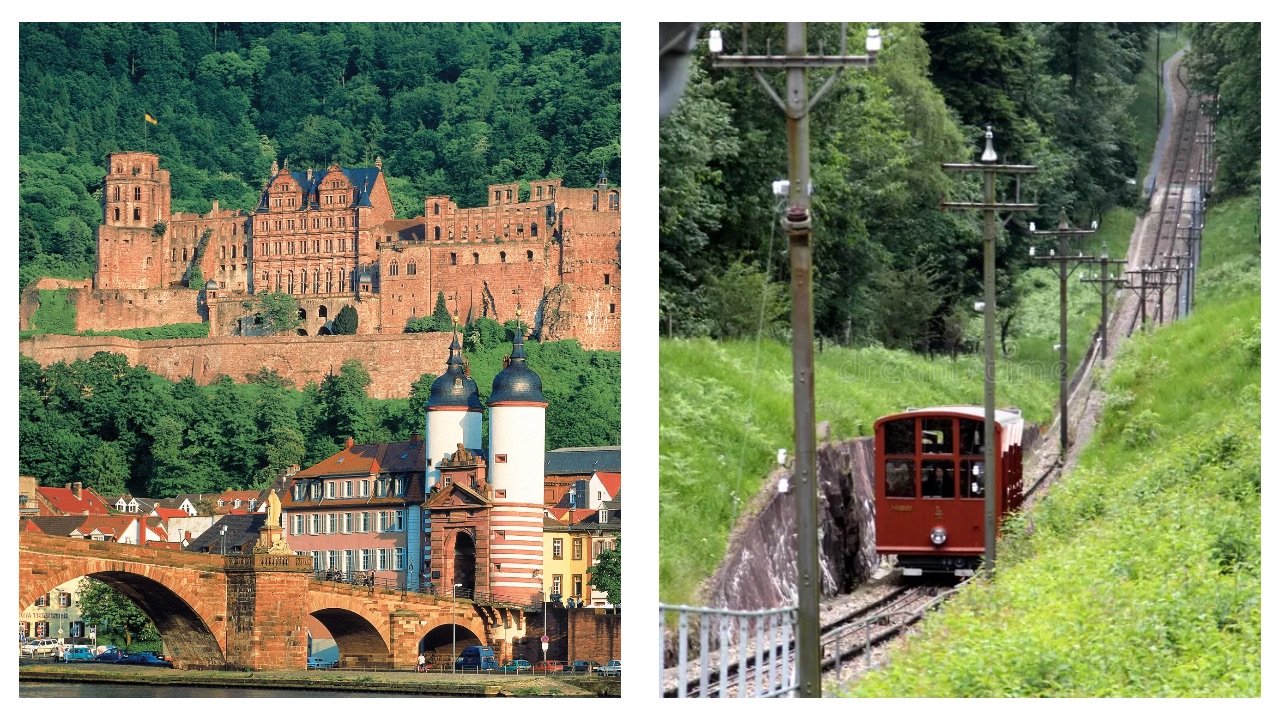
READ MORE: Travel guide: Five things you should do in Heidelberg, Germany
Craving adventure
Experiences are becoming an increasingly valued part of seeing the world now, with many Gen Z travellers prioritising cultural immersion over sightseeing.
As technology and social media make the world feel more connected than ever, younger generations are placing more importance on discovering different cultures and destinations beyond typical tourist destinations.
Whether you enjoy spending days immersed in nature, or prefer exploring a country’s culture through its cuisine, the Balkans offer everything from adventure and natural beauty to exceptional food culture and regional specialities.
The region has become a playground for outdoor enthusiasts, offering activities like the Valbona to Theth hike in Northern Albania, taking you through the colloquially known “European Maldives” or “Albania’s Thailand,” or even white water rafting in the Bosnian canyons, or the Kotor alpine coaster in Montenegro for the adrenaline junkies.
Beyond the activities themselves, the Balkans offer some of Europe’s most stunning landscapes.
From the clear turquoise waters of the Albanian Riviera to the dramatic mountains surrounding Montenegro’s Bay of Kotor and the cascading waterfalls in Croatia’s Plitvice Lakes National Park, these landscapes rival some of Western Europe’s most famous attractions whilst attracting fewer visitors.
The Balkans also offer a diverse range of culinary delights, although the region's cuisine is less well known internationally than Western European cities, like popular Italian or Spanish dishes.
From a hearty ćevapi in Sarajevo, costing around €5, to fresh seafood along the Croatian Adriatic coast, travellers can enjoy high-quality authentic local food without the price tag that usually accompanies many dishes in Western Europe
Again, the Balkans offer adventure, dramatic scenery and diverse cuisine at a fraction of the price of Western Europe, contributing to Gen Z swapping out large European hotspots for these Balkan countries.
The search for authenticity
Escaping Western Europe’s overtourism is becoming more and more appealing to travellers craving authenticity, and wanting to break away from Europe’s most iconic destinations.
With Venice introducing entry fees for day trippers, Barcelona seeing anti-tourist protests in desperate attempts to quell tourist numbers, and other popular destinations like Santorini and Dubrovnik having introduced measures to reduce footfall from cruise ships, Western Europe has been recently grappling with the challenges of overtourism, pushing travellers towards lesser-known destinations.
For many young travellers, the appeal of the Balkans lies in creating experiences that are naturally less commercialised, searching for authenticity in their travels.
Across the region, family-run restaurants and local markets serve the authentic Balkan experience.
The distinct social rhythms of each Balkan country give each destination a stronger sense of place, which can be harder to find in many of Western Europe’s larger cities.
Whilst not non-existent, concerns around tourism reshaping local culture are less pronounced in many Balkan destinations compared to Western Europe’s more established tourist hotspots, increasing their appeal to Gen Z travellers in search for authenticity.
Changing travel priorities are also reflected in Gen Z’s choice in accommodation.
Rather than staying in luxury hotels and prioritising five-star experiences, Gen Z travellers, placing greater emphasis on authentic experiences, are staying in locally owned accommodation or hostels, allowing them to integrate with the local community, striking up conversations with people met along the way.
Hostels have become a large part of the experience for young travellers, especially solo travellers, with platforms like Hostelworld allowing guests to join group chats during their stays, making it easier to meet new people.
Gen Z’s search for authenticity is also driven by a desire to discover new places before they become mainstream, seeking unique and more personalised experiences.
The Balkans are often described as Europe’s hidden gems, especially on social media, where they are increasingly portrayed as somewhere to explore before they become the new go-to travel destination, appealing to Gen Z’s thirst for novel experiences.
Young travellers crave discovery, and the Balkans combine this very sense of discovery with rich local culture and the satisfaction that each destination has not been overpopulated by overtourism.
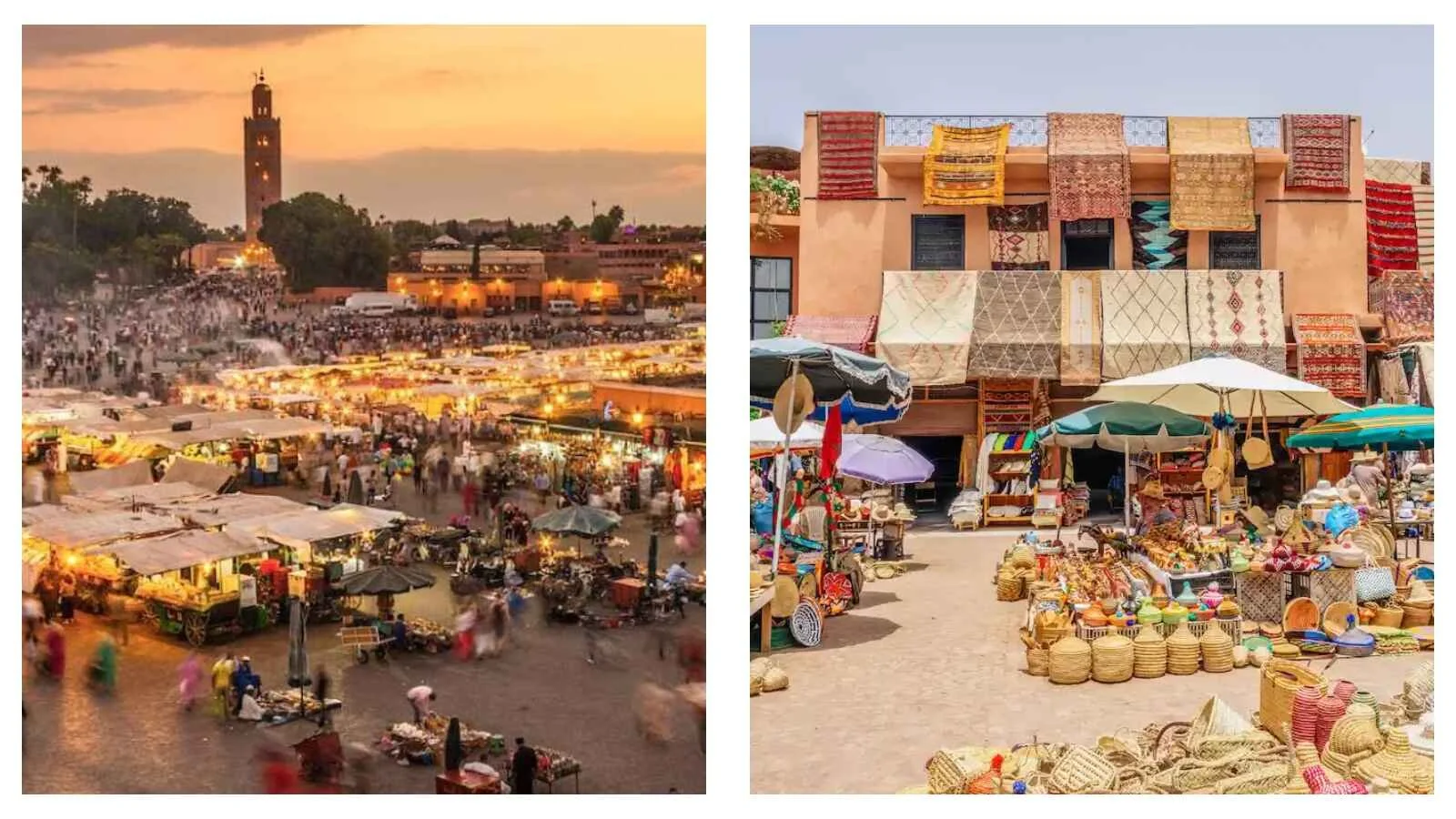
YOU MAY ALSO LIKE: Travel guide: Five things you should know before travelling to Morocco
Social media’s travel map
It's no secret that Gen Z is highly influenced by content seen on social media, and travel influencers are fast becoming the first port of call for travel inspiration, over traditional brochures and travel agents.
TikTok has played an instrumental role in reshaping destination discovery, with TikTok creators showcasing lesser-known travel destinations, especially in the Balkans.
As a result, travel destinations that were once overlooked have now become must-see countries for many.
Dramatic scenery and untouched landscapes across the Balkans, combined with the relatively low price point, in places like the Albanian Riviera, Montenegro’s Bay of Kotor, Lake Bled in Slovenia and Albania’s Theth and Valbona National Parks, amongst many other destinations, have all gained popularity from viral social media content.
With Gen Z flocking to the Balkans in pursuit of discovering unseen landscapes, and visiting places that still remain relatively under the radar, the region offers a sense of exclusivity for each traveller.
The region also provides them the opportunity to post something different from well-documented experiences in cities like Paris or Rome.
Ironically, it is this very posting on social media that led to the overtourism of Western Europe, raising questions about how sustainable an authentic experience in the Balkans is before becoming the next tourist hotspot.
Transport has never been easier
The Balkans have become easier and easier to get to, whether this be via direct flights or the transport links between the countries.
Improved coach and bus networks and better ferry connections between countries, have made the Balkans increasingly accessible to Gen Z tourists, creating a perfect harmony between easy access and exploring lesser-known countries that still feel authentic.
It is not an overstatement to say Gen Z’s travel priorities have changed.
Striking a balance between experiences, authenticity and affordability is now prioritised over visiting all major landmarks and overly touristy districts.
The Balkans strike this balance perfectly.
READ NEXT: China travel guide: Essential attractions to visit in Beijing