Travel guide: Five things you should know before travelling to Morocco
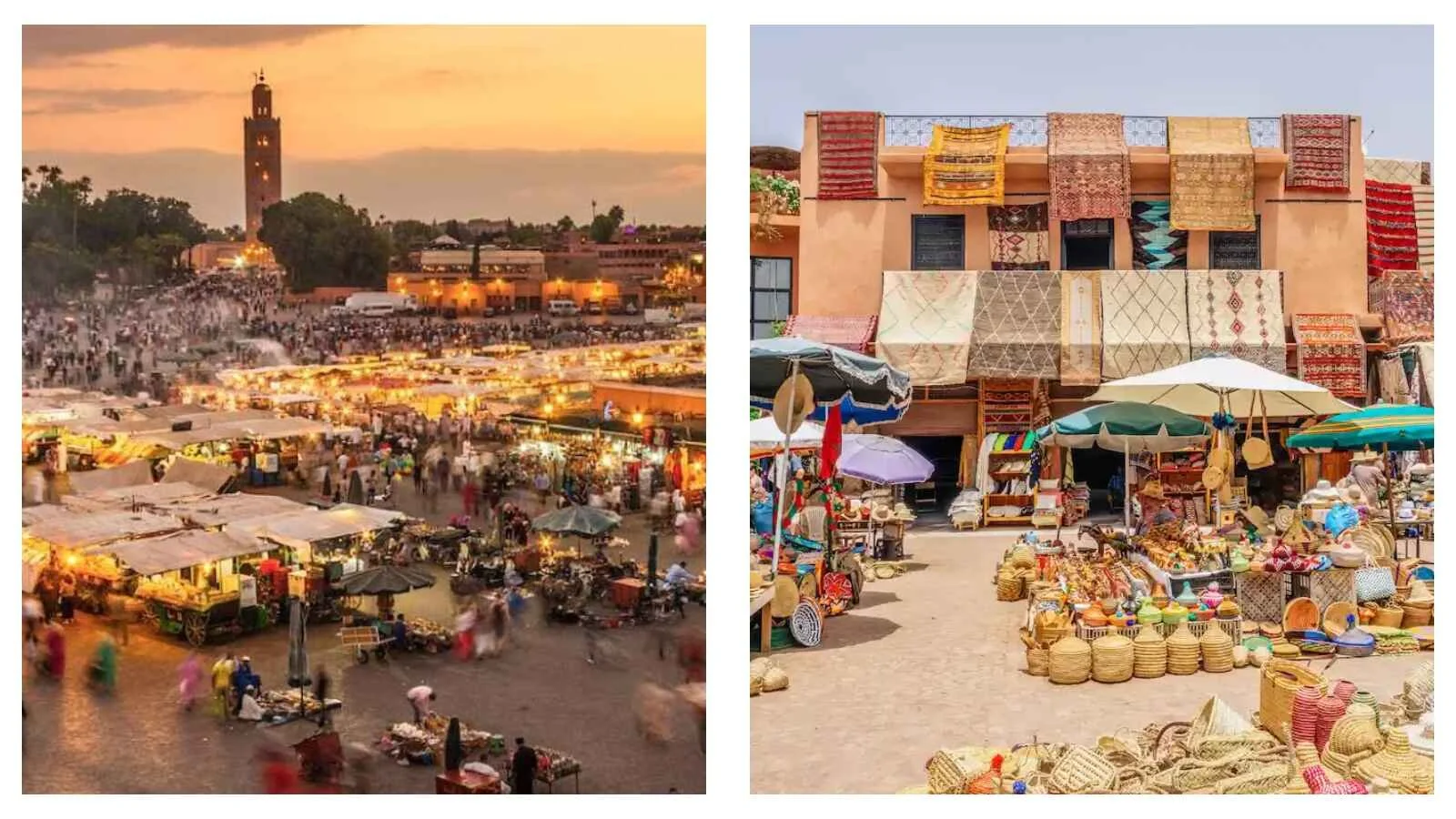
From the labyrinthine souks of Marrakech to the rolling sand dunes of the Sahara Desert, Morocco offers one of North Africa's most unforgettable travel experiences.
Its vibrant traditions and busy markets attract millions of visitors each year, but for many first-time travellers, the country's pace of life and cultural customs can come as a culture shock.
Knowing what to expect before travelling to Morocco may give you some peace of mind when you step off the plane, making your trip much smoother.
Travel News Blitz's Natalie Callagher shares five essential things every first-time visitor should know before travelling to Morocco.
Morocco is largely a cash-based country
One of the most obvious differences visitors tend to notice when they travel to Morocco is that it is still largely a cash-based economy, meaning you shouldn't rely solely on bank cards and contactless payments during your time there.
Whilst larger hotels, restaurants and some shopping centres accept card payments, many smaller businesses, especially throughout the medinas and the souks, operate on a cash-only basis.
Morocco's currency, the Moroccan dirham, is a closed currency, meaning it can only be obtained upon arrival in the country.
Many experienced travellers recommend avoiding exchange kiosks at the airport, as they often offer less competitive rates than banks and ATMs.
A reputable bank recommended by many travellers is Al Barid Bank.
As the main forms of transport around Morocco are taxis and public transport, carrying small denominations of cash may also be helpful for smaller transactions.
Carrying small change wherever you go in Morocco is also useful when tipping serving staff, especially if a service charge isn't automatically included.
Planning to have cash readily available at all times makes everyday interactions in Morocco much smoother and your experience more stress-free.
Respect local customs
Moroccans are renowned for their hospitality, but as Morocco is a culturally conservative Muslim country, it is also important for visitors to respect local customs.
Not only does respecting local customs demonstrate politeness, but it can also help visitors gain a deeper understanding of Moroccan culture.
Due to Morocco's largely Muslim population, it is viewed as respectful to dress modestly. A general rule of thumb is to cover your shoulders and knees, especially for women and when visiting religious sites.
There is no official dress code for tourists. However, dressing modestly is generally appreciated by locals and could even help visitors feel more comfortable, especially when travelling outside of the typical tourist areas.
It may also be helpful to note that Friday is Islam's holiest day, meaning many local businesses tend to close on Friday afternoons to observe prayers.
If you are planning to mainly stay in tourist areas, this tendency to close briefly during afternoon prayers shouldn't affect you too much, as most tourist attractions remain open, but it is worth remembering to plan your day accordingly.
Tea also plays an important role in Moroccan culture. Mint tea is more than just a drink.
Often served to welcome guests, during conversations or even at market stalls, accepting a glass of tea in Morocco is a chance to immerse yourself in Moroccan traditions.
The tea is often poured from a height to enhance its flavour and create a rich foam, whilst the act of the host pouring the tea also symbolises the host's generosity.
Always remember that when accepting anything in Morocco, whether it is a glass of tea or food offered to you, it is considered polite to use your right hand, as the left hand is traditionally considered unclean.
If you want to go the extra mile, it may also pay to learn a few basic Arabic or French phrases.
Whilst Arabic is the official language of Morocco, French is also widely spoken in many cities, hotels and restaurants, so learning a few courteous phrases can be a thoughtful way to connect with locals.
Showing respect by following a few basic etiquette expectations will lead to warmer interactions with locals and make travelling around Morocco even more enjoyable.
YOU MAY ALSO LIKE: China travel guide: Essential attractions to visit in Beijing
Master market etiquette
Stepping into one of Morocco's many medinas, you'll be greeted by an array of traditional souks, fragrant spice stalls and street food vendors, with each stallholder competing for your attention.
Whilst this lively competition between stallholders creates the unique atmosphere of Moroccan medinas, it can also be overwhelming for visitors, so knowing what to expect may help you prepare for the experience.
Don't be afraid to haggle.
Haggling is a longstanding tradition in Moroccan markets, and vendors usually expect visitors to negotiate their prices.
Keep the exchange friendly and don't be afraid to walk away if the vendor asks for more than you are willing to pay.
In busier areas, like Jemaa el-Fnaa, it is also not uncommon for stallholders to approach you, offering their goods, tours or other services.
Whilst this can feel like sensory overload, with pressure being put on you by market vendors, a polite but firm "no" is usually enough to let them know you are not interested and will help make the experience more enjoyable.
As medinas can become crowded and are easy places to get lost, it is also worth downloading offline maps, as the narrow streets and limited phone signal can make navigation difficult.
Moroccan markets may seem like organised chaos, but once you embrace them, they become an unmissable part of any trip, offering an authentic insight into centuries-old Moroccan traditions and trading practices.
Get the essentials right
Whilst it is fun to explore everything Morocco has to offer, from its rich culture to breathtaking desert landscapes, it is equally important not to overlook the essentials.
Securing an eSIM or purchasing a local SIM card is an inexpensive way to stay connected, as Wi-Fi tends to be widely available only in hotels and some restaurants. This also makes it much easier to book transport and navigate cities.
It is also recommended to drink bottled water during your trip to Morocco or use a reusable water bottle fitted with a built-in filter.
If sustainability is more of a priority for you, this is a great way to reduce plastic waste while still avoiding untreated tap water.
Another essential to pack is tissues, as many public toilets do not provide toilet paper.
Whilst this may seem minor, many travellers are grateful they planned for this, making the trip that little bit more comfortable.
When packing, don't just bring lightweight clothing.
As Morocco has significant desert regions, temperatures can drop considerably at night, making layers essential.
Layers are especially important if you're planning a trip into the desert, as the lack of cloud cover means temperatures can feel surprisingly cold after sunset compared to the scorching daytime heat.
READ MORE: Travel guide: Five things to do in Marrakech, Morocco
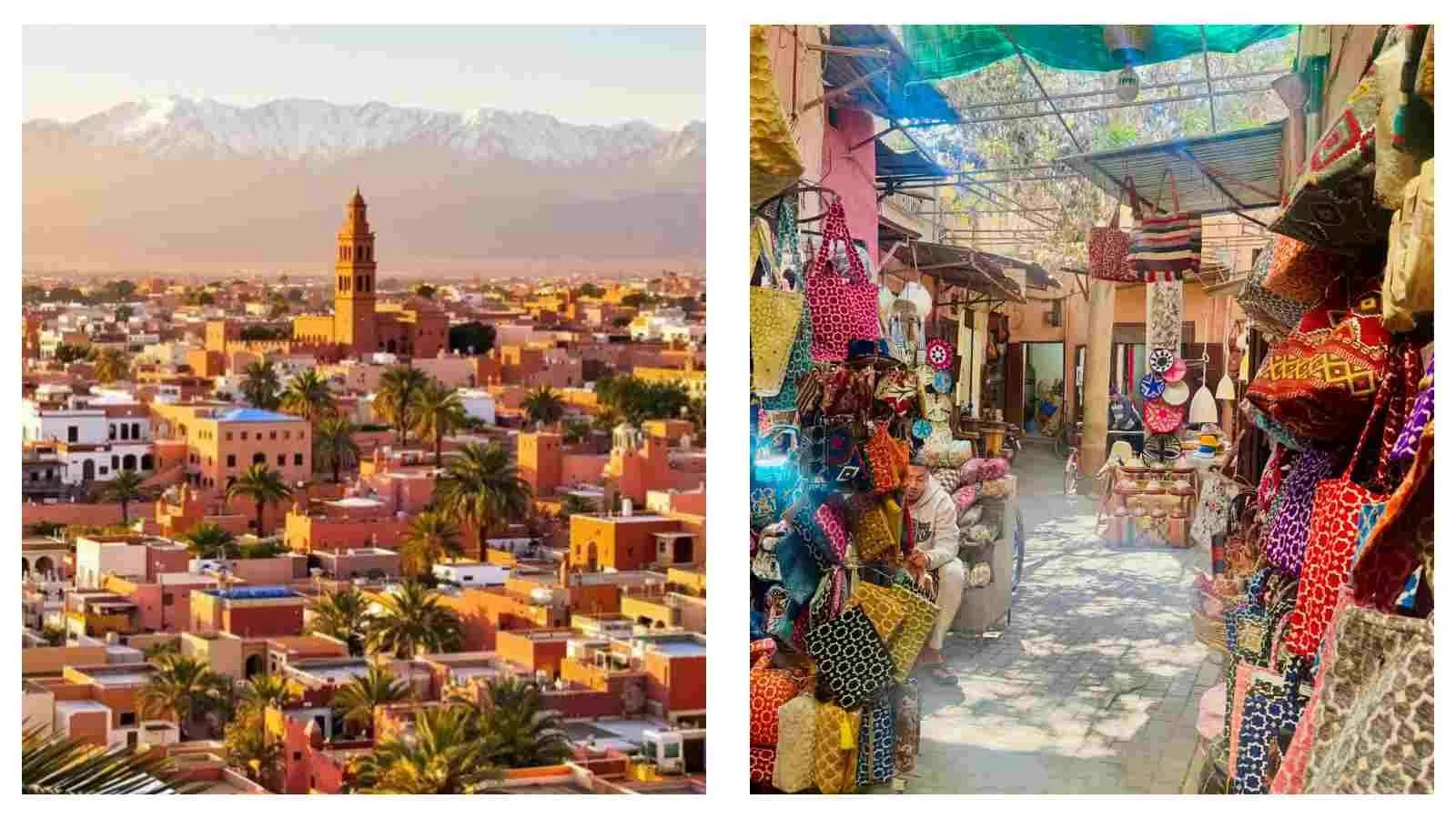
Allow yourself to be spontaneous
Morocco is packed with unforgettable experiences, from hot-air balloon flights at sunrise and bustling markets to coastal towns, mountain landscapes and vast deserts. There is so much to see and do, but it is equally important to leave yourself time to stumble across unexpected places.
Different regions of Morocco offer different experiences, each suited to different types of travellers.
Marrakech is ideal for first-time visitors, with its vibrant souks and lively squares immersing visitors in local life.
Fes provides a glimpse into Morocco's rich history, home to one of the world's oldest medinas, whilst Chefchaouen's iconic blue-painted streets offer a slower pace and countless photo opportunities.
Whilst in Morocco, a trip into the desert, whether it be the Sahara, Agafay or Iriki, is considered essential by many visitors, although it does require some planning in terms of logistics.
Some of the most memorable Moroccan experiences aren't found on any itinerary. Whether it's wandering through hidden streets or admiring the view from a rooftop café with a mint tea in hand, slow down and embrace spontaneity.
READ NEXT: Travel guide: Five things you should do in Heidelberg, Germany