Travel guide: Five things you should do in Crete, Greece
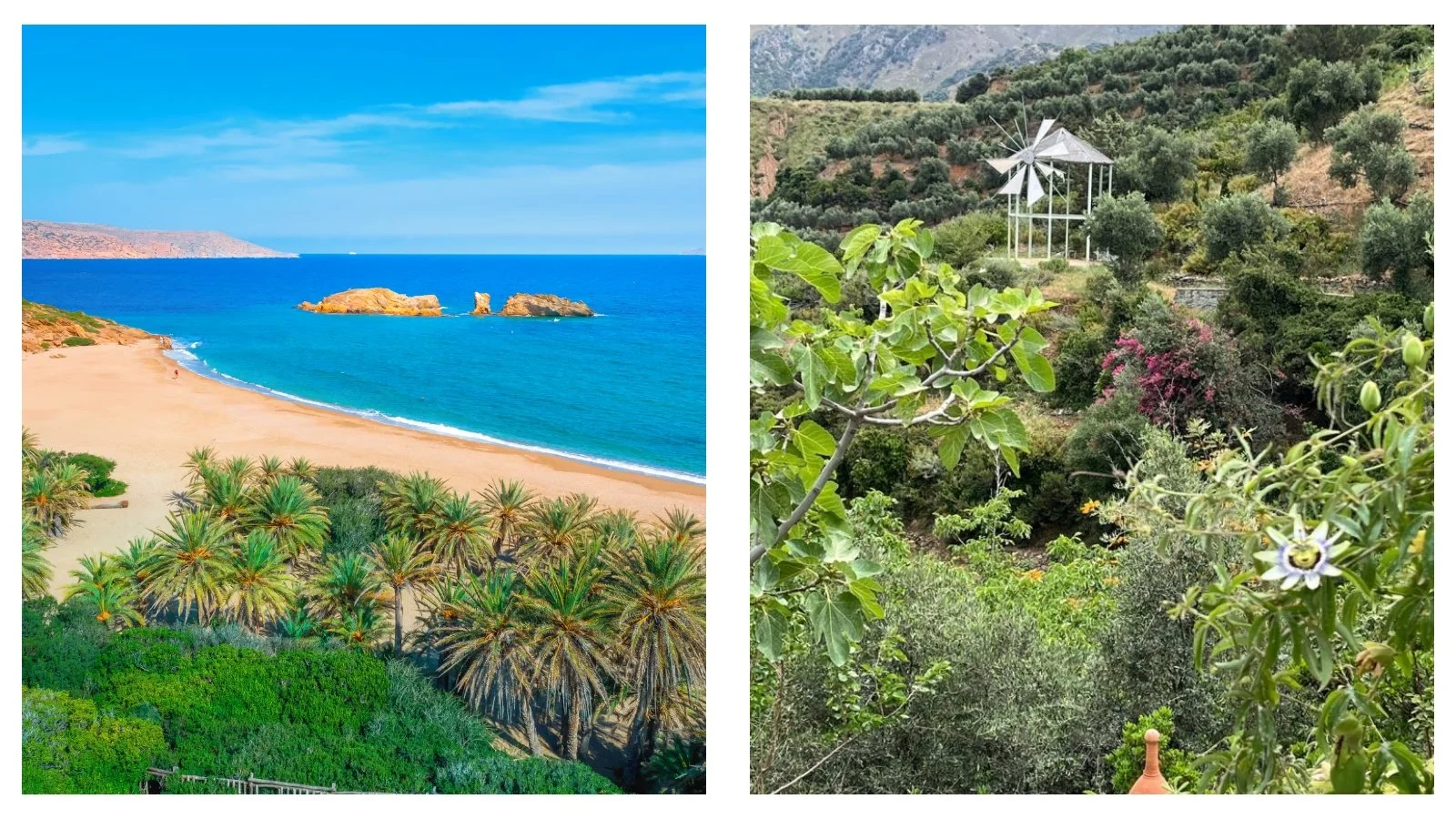
Crete is Greece’s largest island, offering everything from beautiful beaches and luxury resorts to dramatic mountain landscapes, all underpinned by an ancient culture.
Whether you enjoy holidays exploring picturesque towns on foot or venturing through the island's different destinations, Crete offers something for everyone.
Travel News Blitz’s Natalie Callagher shares five experiences that every visitor to Crete should include on their itinerary, from trekking through Europe's longest gorge to exploring the birthplace of Europe's earliest civilisation.
Explore Crete's fascinating history
Few destinations in Europe can match Crete's history.
The island was home to the Minoan civilisation more than 4,000 years ago, and the remnants of this advanced society can be observed in historical landmarks today.
The best place to experience this history is the Palace of Knossos, just outside Heraklion.
This palace is Greece's second most visited archaeological site after the Acropolis and is believed to have inspired the legendary myth of the Minotaur and the Labyrinth.
For travellers interested in Crete’s fascinating past, the Heraklion Archaeological Museum is also a must-visit destination.
The museum houses one of the world's finest collections of Minoan artefacts.
If Minoan history is something you wish to delve deeper into, experiencing the Minoan Palace of Malia and the archaeological site of Eleftherna is also well worth your time.
Crete’s history stretches well beyond the ancient world.
Across the island, visitors will also see Venetian fortresses, Ottoman architecture, and Byzantine churches.
Monasteries such as the Arkadi Monastery and the Toplou Monastery are also open to visitors, offering an insight into the crucial roles they played during the Ottoman rule and the Second World War, as they both served as centres of resistance in order to preserve Cretan culture.
Discover Crete’s breathtaking landscapes
Many visitors think of Crete as a beach holiday destination. However, the island has so much more to offer.
The island is crossed by three major mountain ranges with peaks that reach over 2,400 metres high.
These mountains provide the perfect setting for outdoor activities such as hiking and gorge walking amongst stunning displays of dramatic scenery.
The most famous trail is Samaria Gorge, which is one of Europe's longest gorges stretching approximately 13 kilometres through the White Mountains National Park and taking visitors through towering cliffs before ending near the Libyan Sea.
For travellers who wish to experience a greater adrenaline rush, activities like rock climbing, canyoning, horse riding and bungee jumping are also offered on the island.
For those seeking a more relaxed experience, Crete is home to some of Greece’s most spectacular beaches.
Boat trips to nearby islands such as Chrissi Island and Spinalonga provide a chance to swim in crystal-clear waters while escaping some of the crowds on the mainland.
If you're staying in Chania, a boat trip to Balos is also a must-do activity, offering opportunities to swim in the emerald green waters and be enchanted by the unique natural beauty of the landscape.
Southern Crete arguably offers some of the best beaches on the island.
The southern coast of Crete offers a slower pace of life than the island's northern resorts, with many family-run businesses and traditional villages.
If visiting beaches in the South of Crete is your main priority during your trip, it is worth spending several days in this region of the island rather than simply taking a day trip, as it helps spread tourism more sustainably for the locals and offers visitors a more authentic taste of Cretan life.
As visitor numbers to the island continue to grow year on year, respecting local communities by avoiding littering, reducing noise pollution and protecting wildlife also helps preserve these beautiful landscapes for future travellers for generations to come.
MORE BY NATALIE CALLAGHER: Travel analysis: Why is the Mediterranean becoming a year-round destination?
Experience authentic Cretan food and drink
One of the highlights of visiting Crete is experiencing its famous cuisine.
The Cretan diet is regarded as one of the healthiest in the world and centres on fresh vegetables, olive oil, seafood and cheeses, most of which are produced locally.
Even simple but authentic Greek dishes such as gyros feel lighter and taste fresher than elsewhere in the country.
Crete is also known for its raki, an iconic grape spirit.
Unlike many alcoholic drinks, raki is considered a complimentary shot after a meal as a gesture of friendship, celebration and gratitude.
Raki is deeply rooted in Cretan hospitality, and whether you find yourself in a secluded mountain village or at a seaside taverna, don't be surprised if raki is offered to you by locals or even fellow travellers.
Crete is also a great place for wine lovers, with the island producing wine from thirteen different native grape varieties.
Heraklion is especially known as the heart of Crete’s wine industry, home to 65% of the island's wineries.
Peza, Archanes and Dafnes are Protected Designation of Origin (PDO) regions that are especially known for their wineries.
For more intimate wine tasting events, boutique producers such as Klados Winery or the vineyards surrounding Toplou Monastery offer an excellent introduction to Cretan winemaking.
Explore Chania
For many visitors, Chania is the most beautiful destination on the island.
Chania’s old town combines colourful Venetian buildings, narrow cobbled streets and centuries of Greek, Ottoman and Venetian history.
The Old Town is home to artisan workshops, independent bookshops, traditional tavernas and welcoming cafes tucked away from the busy harbour, creating the perfect places for travellers to relax after a day of sightseeing.
Nearby, Splantzia, once the city’s Turkish Quarter, offers an atmosphere great for visitors who want to enjoy authentic Greek coffee, traditional food and, of course, raki.
Chania is also home to amazing Cretan beaches.
From Elafonissi beach with its pink-tinged sands and shallow turquoise waters, to Balos Lagoon, one of Europe’s most photographed beaches, if you’re staying in Chania you won't be short of idyllic beaches to visit.
Away from the coast, the Botanical Park and Gardens of Crete, located at the foot of the White Mountains, showcases exotic plants, fruit trees and native Cretan wildlife across a large 20-hectare stretch of land.
History enthusiasts can also walk among Chania’s old tanneries, serving as a reminder of the island’s Ottoman past when tanning was one of the city’s most important industries.
Regardless of how you wish to spend your holiday, Chania serves as an ideal base for your exploration.
YOU MAY ALSO LIKE: Travel analysis: Why Interrail has become Europe’s hottest travel trend
Venture beyond the main tourist hotspots
Although Chania receives most of the attention on the island, other regions also offer unique experiences.
Rethymno is one of the island's best-preserved old towns, combining Venetian architecture with lively cafes and waterfront restaurants.
The nearby Amari Valley, overlooked by Mount Psiloritis, offers traditional villages, hiking routes and breathtaking mountain scenery.
Preveli beach is also well worth a visit, as it is where a freshwater river and the Libyan sea meet.
Nature lovers should also visit Argyroupoli, famous for its waterfalls and natural springs.
To the east, Lasithi provides a more authentic glimpse of Crete.
Traditionally believed to be the birthplace of Zeus, the Dikteon Cave near the Lasithi Plateau is one of the area's most visited destinations.
Nature lovers shouldn’t miss out on the opportunity to visit Vai Beach, known to be Europe’s largest natural palm forest, or Xerokampos, one of the island's most unspoilt and least-developed coastal regions.
Whether you're exploring ancient Minoan palaces, hiking dramatic mountain gorges, or relaxing on pink sand beaches, Crete offers far more than the typical Mediterranean holiday.
The island offers a unique blend of history, nature and authentic culture, with every region offering something different.
If time allows, it is definitely worthwhile staying in different regions across the island during your trip, rewarding you with a deeper appreciation of one of Greece's most extraordinary islands and an opportunity to explore the island's diverse landscapes.
READ NEXT: Travel analysis: Why are "coolcations" replacing Mediterranean holidays?