Paris travel guide: The tourist trap you should avoid
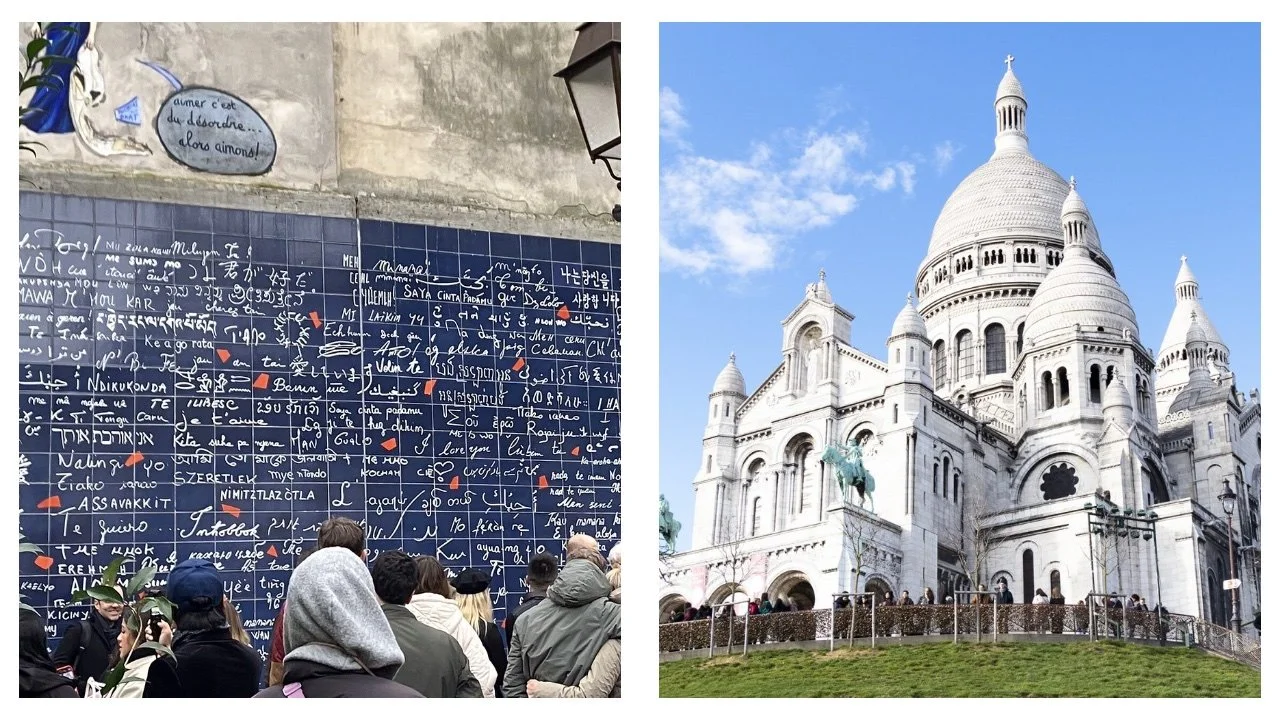
Travel News Blitz writer Jesse-Ann Baron breaks down why Paris’ most Instagrammable neighbourhood just landed on 2026’s list of places you should think twice before visiting.
Montmartre is a neighbourhood perched up on a hill in the north of Paris, France.
It’s made of steep cobbled roads, a white-domed Basilica, and a fascinating history.
However, this is not just another romantic little village in France; Montmartre has a history of housing broke, talented artists like Picasso and Van Gogh.
Not only did Montmartre provide a home for the most brilliant artists with legendary shared studios, but it pioneered the world’s first cabaret, with Moulin Rouge following.
Later came the beloved film Amélie, which encouraged even more people to the place to explore the magical backdrop to the classic.
Now with the help of Instagram and a tourism boom, Montmartre is one of the most visited pockets of the city.
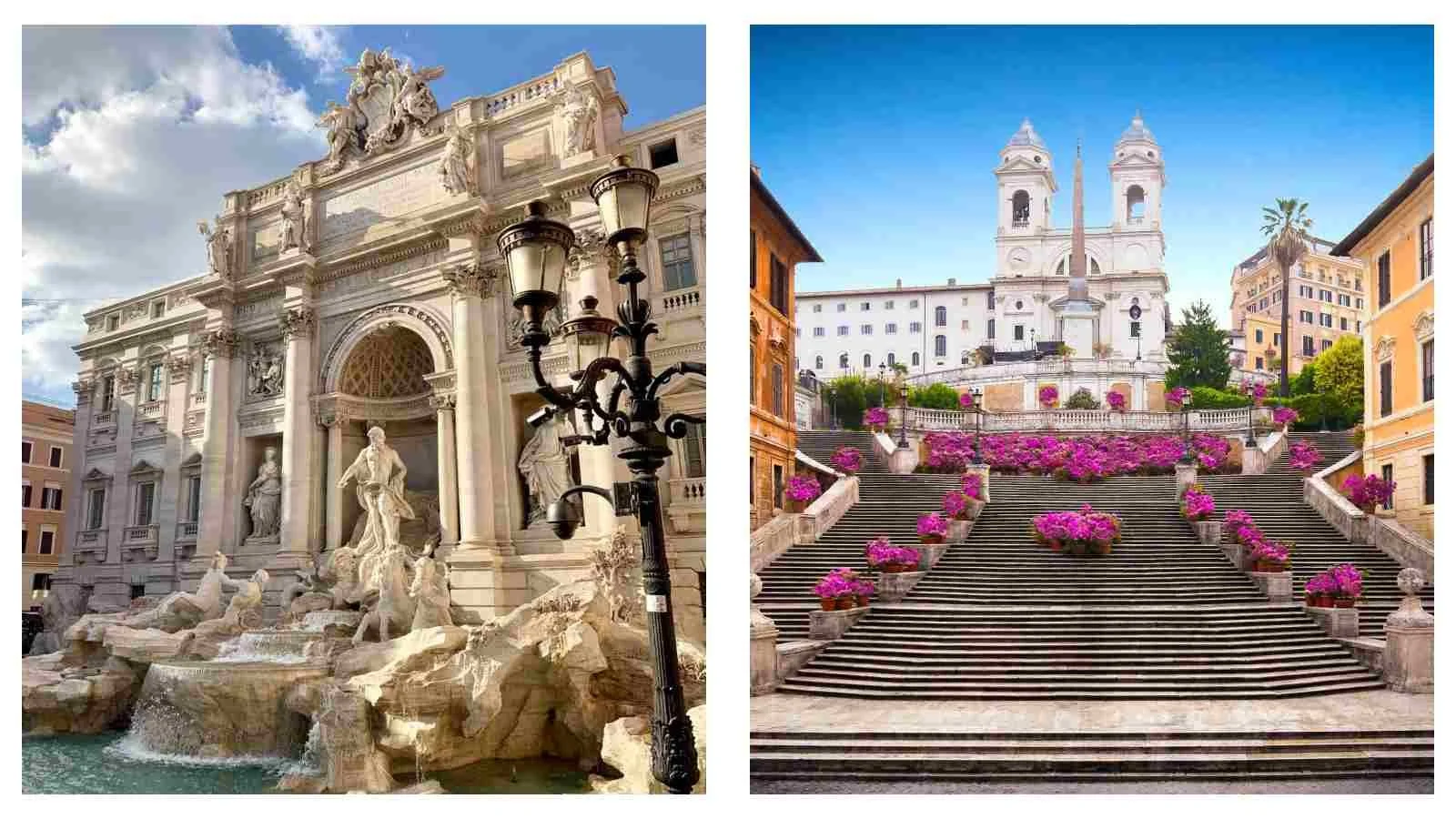
YOU MAY ALSO LIKE: Travel analysis: Why is Rome one of Europe’s most visited cities for tourists?
A village built for hundreds now hosting millions
Montmartre streets were not designed to cater for mass tourism - it was originally for a small hillside community.
The narrow roads barely fit cars, let alone tour groups.
To put it into perspective, there are between 26,000 and 28,000 permanent residents compared to over 11 million tourists that come to Montmartre annually.
Tourists basically outnumber locals by 400 to one - but this didn’t come out of nowhere.
If you combine the success of the show Emily in Paris and the Paris Olympic Games, which led to record-breaking foot traffic, you can start to understand why Montmartre is being flooded.
What adds to the popularity is the Instagrammable spots such as La Maison Rose, a 150-year old pastel pink cafe seen in a show, a ‘sinking house’ illusion near the famous Sacré-Cœur Basilica and the Wall of Love art.
There is no denying that the whimsical charm of the village is extremely photogenic, full of street artists, hidden gardens, cobbled streets and side cars.
READ MORE: Travel analysis: Why are "coolcations" replacing Mediterranean holidays?
Why did Montmartre make Fodors 2026 ‘No list’?
Fodors Travel Guide is a popular publisher of travel guides and is basically the Ramsay of digital maps, tourism planning tools and guidebooks.
Fodors famously releases a ‘Go list’ accompanied by a ‘No list’ every year to highlight destinations that are struggling under the strain of tourism.
It is not alerting people to boycott the listed places but to let people know that there are some things they can refrain from for the better.
Montmartre made the 2026 ‘No list’ because of how unlivable it has become for the average resident, with crowds so big it can block off a whole entrance to a park.
Over 10 million visit Montmartre to see the Basilica, drawing in more crowds than the Eiffel Tower does.
It has become off-putting for people with real estate prices skyrocketing up 35% just in the past year.
Not even poor Van Gogh could afford the current Montmartre today; the quaintness of the picturesque village has been shattered by the commercialisation of its beauty.
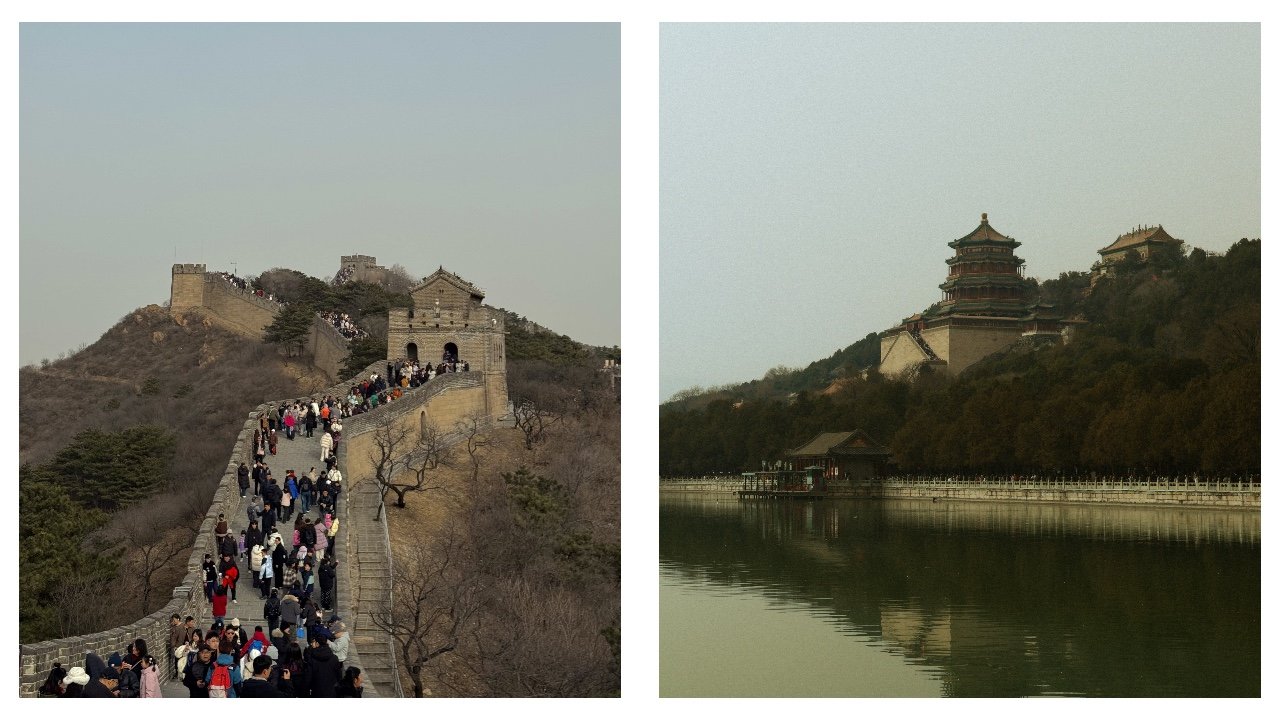
MORE TRAVEL GUIDES: China travel guide: Essential attractions to visit in Beijing
How is Montmarte fighting back?
If you look a little closer, you can see the boiling tensions with big banners hung across balconies letting the tourists know the residents are resisting this influx.
Residents are protesting and complaining that if nothing changes, the authenticity of their home will be lost and tourists will come and meet only other tourists.
The anger increases when long-standing butchers, bakeries and corner grocers are vanishing in huge numbers.
Residents depended on these local stores that are being replaced with bubble-tea vendors, dessert stalls and trinket stands.
The place is feeling less like Paris and more like an open-air themed park and residents are making petitions and speaking out publicly.
Many residents feel hopeless, with some selling their apartments because they are tired of getting everything delivered and not being able to use their car.
Montmartre didn't lose its charm - it just became too popular to enjoy.
The population is set to grow to 10 billion by 2050; now, will more picturesque places be under threat? And will the locals accept more travellers?
READ NEXT: Travel guide: Five things you should do in Crete, Greece