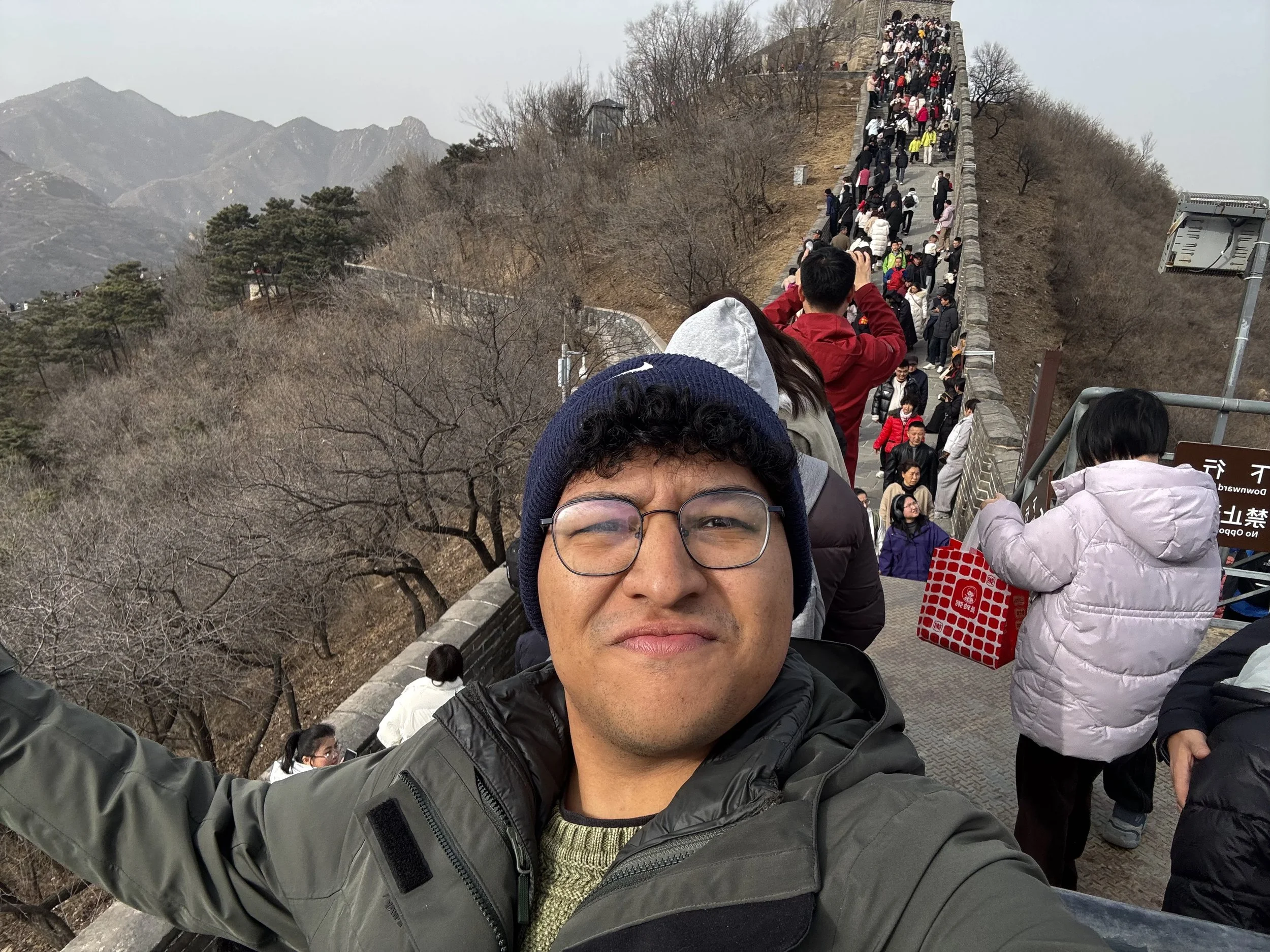
China travel guide: Three attractions to discover China’s first capital, Xi’an
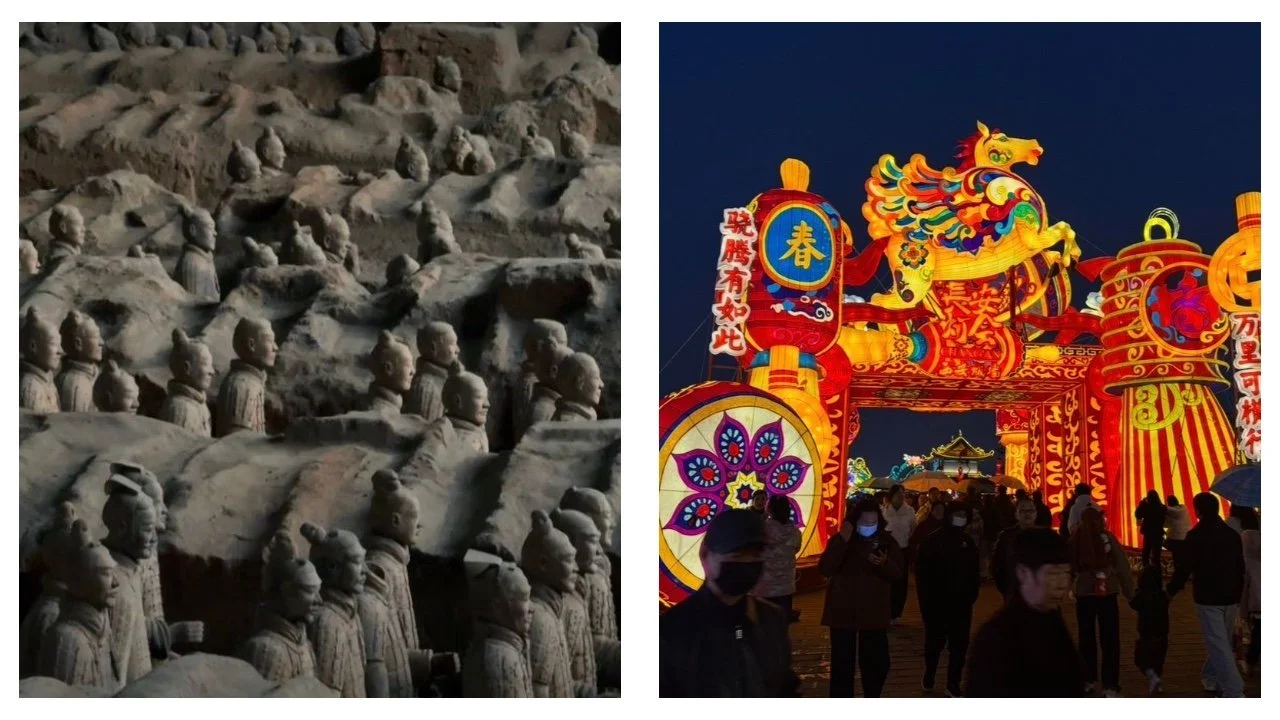
Xi’an is one of the more underrated tourist destinations in China.
Yet, as China’s first capital, it is home to a rich, unique cultural history.
The city’s most famous attraction is the Terracotta Soldier Army, which is also the site of the first emperor’s tomb.
However, that is only the beginning of the city’s unique origins.
Travel News Blitz’s Zach Heynes takes you through three of Xi’an’s most notable cultural sites, as explored in his China Travel YouTube series.
Xi’an City Wall
Xi’an City Wall, or the Fortifications of Xi’an, is the most complete surviving city wall in China and one of the largest ancient military defense systems in the world.
With a total length of 13.7km, the rectangular structure is 12m tall and surrounds the city center.
Visitors can climb on top of the historic wall and take walking or cycling tours, and if you visit during the Chinese New Year season, you have a dazzling experience awaiting you.
Like me, you will be able to catch the Chang’an Lantern Festival, which has been held on the wall around 40 times since 1984.
The festival features magnificent lantern sculptures decorated along the wall in celebration of the new year.
The most suggested entrance to enter the wall from is the South Gate, one of the four cardinal gates and 18 total gates along the fortifications.
As you walk along the wall, you will get to admire a peaceful scene featuring decorative lantern displays, cultural artifact areas, and the different vendors dotted along the path.
However, the coolest sight of all is looking off the side of the wall and seeing Xi’an city in all of its glory.
Xi’an Muslim Quarter
The Muslim Quarter is a commercial street which has become central to the city’s culture and known as a bustling street food landmark.
However, it is not just one of the most prolific homes to Xi’an’s food scenes; it is also the result of the ancient capital’s unique cultural history.
Historically known as Chang’an, Xi’an was a terminal point in the ancient Silk Road and had strong ties to traders from the Middle East.
Besides becoming a landmark for trade, the city acted as a prominent cultural melting pot.
Today, although it has become a tourist attraction for its delicious street food options, the Quarter is also a residential area to around 60,000 people.
The Hui people, many of whom reside in the Muslim Quarter and practice Islam, are descendants of merchants who assimilated.
Thus, visiting this landmark becomes much more than just a mandatory food tourism spot, but also a showcase of the city’s history and culture.
Emperor Qinshihuang's Mausoleum Site
Emperor Qinshihuang’s Mausoleum Site, also known as the home of the Terracotta Army, is Xi’an most popular tourist attraction - and for great reason.
It is one of the greatest archaeological finds in history and a crucial site in China’s extensive history.
The army’s origins stem from China’s first emperor, Qingshihuang, who commissioned an army to be built and buried with him to protect him in the afterlife.
The location features three main pits, with Pit One being the largest and most famous one.
Consisting of nine corridors and once totalling over 6000 clay soldiers, Pit One’s popularity is certainly no surprise.
It is by far the largest of the three, yet there is still merit to visiting the other two.
MORE CHINA NEWS: China travel guide: Essential attractions to visit in Beijing
Pits Two and Three, which were discovered a few years after Pit One, provide a more intimate, close-quarters look into the archeological site, as well as at the soldiers and horses.
A personal tip for when you decide to go: pre-book for one of the later slots in the day, then visit the pits in the order two, three, one, for a progressively more fascinating experience as well as a less crowded one.
Lastly, you can end your visit to the site at the Exhibition Hall, which walks you through the significance of the artifact and its journey to becoming a world famous heritage site.
As the heart of Xi’an’s tourism and history, it is a grand symbol for the city’s significance to China and a worthy starting point to diving deeper into the city’s ancient stories.
Visiting these sites, and many others, convinced me that Xi’an was a necessary addition to my trip - I would certainly encourage it for your China trip, too.
READ NEXT: Travel analysis: Why are Gen Z travellers choosing the Balkans over Western Europe?