Seven things to do and see in Madrid as Formula E races here for the first time
Madrid is the capital and most populous city of Spain, with a population of over 3.4 million in 2025, making it the second-largest city in the EU.
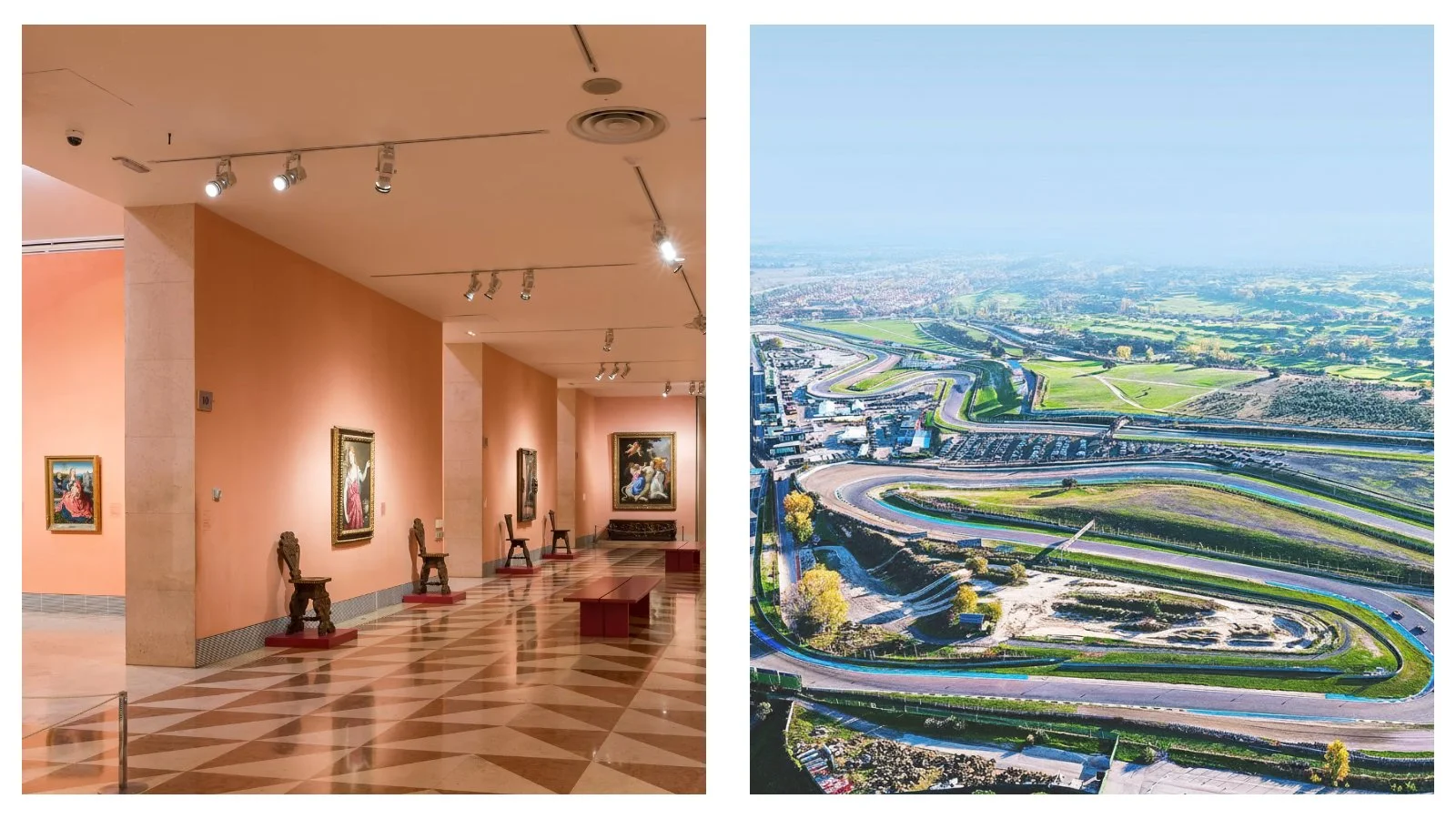
Formula E races in Madrid at the Circuito del Jarama for round six of the 2026 season with Pascal Wehrlein coming into the weekend currently in the lead of the Drivers’ Championship.
Here, Travel News Blitz’s Ayla Vaughan explores seven things to do and see in Madrid.
Museo Nacional Thyssen-Bornemisza
Museo Nacional Thyssen-Bornemisza offers visitors an overview of art from the 13th century to the late 20th century with nearly one thousand works in its collection to admire and contemplate.
Some examples of art movements on display from these time periods are the Renaissance, Mannerism, Baroque, Rococo, Romanticism, Pop Art, Impressionism, Fauvism and German Expressionism.
Catedral de Sta Maria la Real de la Almudena
The construction of Catedral de Sta Maria la Real de la Almudena began in 1879 but was finished over a century later and consecrated in 1993 by Pope John Paul II.
The cathedral is a Neo-Gothic structure with chapels and statues of contemporary artists as well as housing a crypt which holds a 16th century image of the "Virgen de la Almudena".
Las Ventas Bullring
Las Ventas Bullring is the largest in Spain (and the third largest in the world) with a capacity of 23,798 people who can watch this unique entertainment.
It was inaugurated in 1931 and is still in operation during the bullfighting season from March to October and can last for two to three hours.
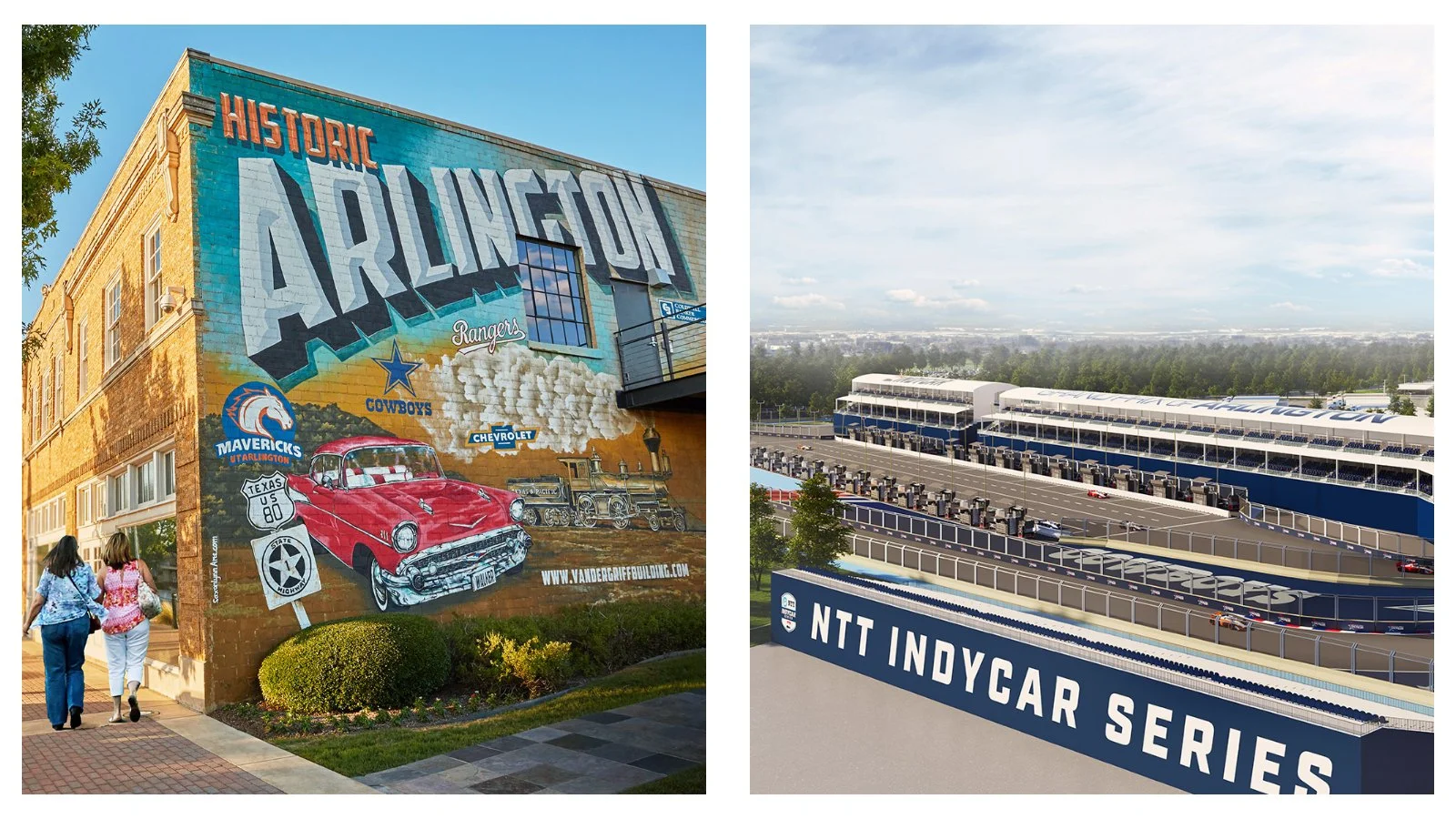
READ MORE: Seven things to do and see in Arlington as IndyCar races at this new street track
Watch the Madrid E-Prix
Formula E races from March 20-21 in Madrid at the Circuito del Jarama, a racetrack located in San Sebastián de los Reyes, 32 km (20 miles) north of Madrid.
They will drive around the 3.850 km (2.392 mile) circuit with its 14 corners and challenging layout characterised by a mix of fast sweeping corners and slow, technical sections.
National Archaeological Museum
The National Archaeological Museum has works dating mostly from Hispanic prehistory to the Modern Age, but it also includes some other cultural remains that are Greek, Etruscan, Roman and from various South American cultures.
The museum was founded through a Royal Decree from Queen Isabella II and was built in a neoclassical design by architect Francisco Jareño from 1866 to 1892, making it a Spanish Cultural Heritage monument.
Salamanca
Salamanca is the poshest, most conservative section of Madrid that was developed through the investments of the Marquis of Salamanca, a powerful businessman who was one of the richest men in the world during the mid 19th century.
Furthermore, some of its streets, such as Goya or Serrano, are some of the most expensive streets in Spain with luxury flagship stores and several foreign embassies located here.
Plaza de Cibeles
Plaza de Cibeles has several iconic monuments such as the beautiful Neo-classical Cibeles Fountain (representing the goddess Cybele on a lion-drawn chariot) and the stunning Palacio de Cibeles (City Hall).
Visitors can wander around and admire the amazing architecture, and will likely spot a Real Madrid fan wearing their jersey as it is also a traditional spot for football celebrations.
READ NEXT: Travel news: Seven things to do and see in Lisbon, Portugal