Injured in Afghanistan, Jaco van Gass travelled to the North Pole and found a new purpose
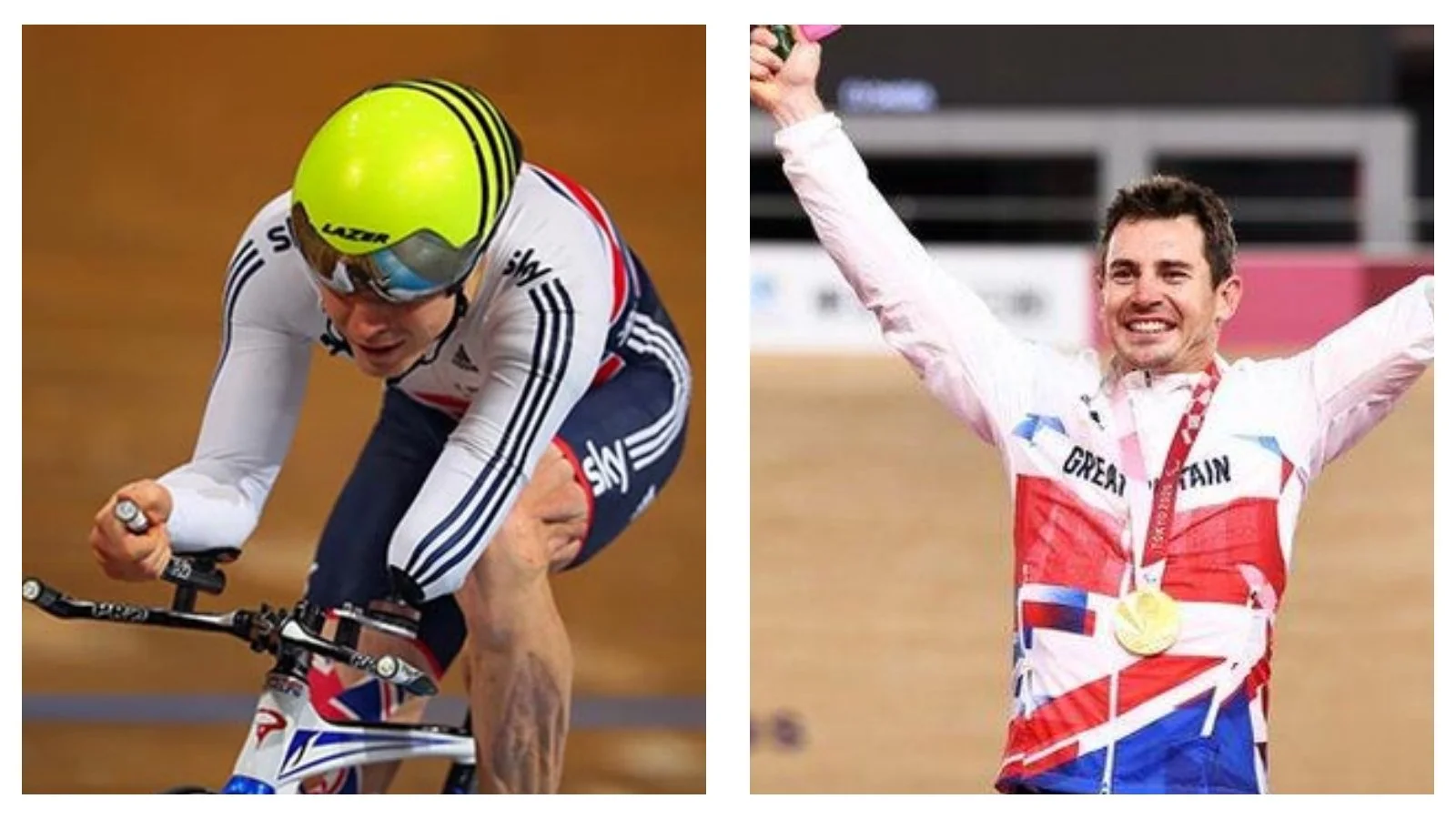
From South Africa to the world’s most extreme environments, Jaco van Gass has turned adversity into extraordinary exploration.
Born in Middelburg, he moved to the UK at 20 to join the British Armed Forces, later losing his lower left arm and sustaining multiple injuries in Afghanistan.
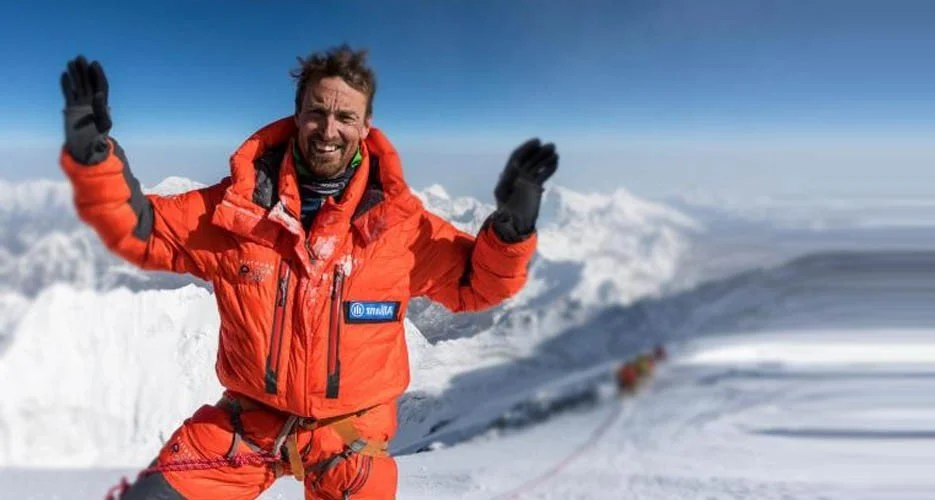
Rather than retreat from challenge, he embraced travel and adventure, joining record-breaking expeditions that took him to the North Pole with fellow wounded servicemen, including Prince Harry, in a 335-kilometre unsupported march for Walking With The Wounded, raising £1.5 million for charity.
His appetite for exploration has also seen him climb peaks such as Manaslu in the Himalayas, attempt Everest and pursue multi-day endurance challenges.
Alongside that, he transformed into one of Great Britain’s most successful para-cyclists, winning multiple Paralympic medals and world titles.
An inspiring figure for travellers and adventurers alike, van Gass brings together bold journeys, resilience and elite sport in a narrative few could match. Paralympic Speakers rarely have such a compelling blend of travel, endurance and personal triumph.
In this exclusive interview with the High Performance Speakers Agency, van Gass reflects on how travel, adversity and ambition have shaped his remarkable life.
Q: You’ve operated in extreme environments, from deployments to expeditions. How has your time in the military shaped the way you travel, prepare, and stay calm when plans change fast?
Jaco van Gass: “You know, the military is amazing because it truly breaks you down as a civilian and it rebuilds you up as a soldier, and that's very necessary to do that because what's required from you as a soldier you can't really do as a civilian. But also, this mindset and this rebuild of a soldier is also very good in a set manner into civilian life and in anything you go on to do.
“In my case, it really helped me as a sports person or individual because I could really reflect on everything that I have done in the military is very similar to what I required in a sporting career.
“Facing setbacks, facing challenging times, being able to adapt, looking back on when stuff doesn't go right, why it didn't go right, being able to adapt very quickly to circumstances that's kind of almost out of your control.
“So, I really utilise this in my sporting career as well to actually have a little bit of an edge on top of some of my competitors.”
Q: Long-distance goals, whether it’s an expedition or a Games cycle, are built over months and years. After a setback, how do you reset the plan, stay motivated, and keep moving forward?
Jaco van Gass: “Well, setbacks I see sometimes, actually, it's inevitable. We're always going to face setbacks.
“We're going to face some tough times, but we can always see this as stepping stones for building character, and also to learn from. And that's what I've learned over the years as well.
“You shouldn't really be afraid to also utilise that moment to actually reflect on how far you have come. Yes, it's a setback now, but also look at where you were two weeks ago, where you were a month ago, and where have you been a year ago? And you'll see a great element of progression up to that point.
“But setbacks, as I say, are also a stepping stone for growth that I really feel because what have I done wrong? Why have I failed in what I have done? How can I get better?
“For a race, if I have a game plan for myself in a race of what I want to do and it doesn't go to plan and I do really badly, I can reflect back and go, okay, well, I lacked maybe some element of skill or maybe some endurance.
“So, next time I need to work on my endurance elements, and I need to maybe enter a different form of a race to actually up my skill level to then come back and perform at this race and hopefully get the result that I require and that will enable me to move forward much quicker, much better and to perform at the higher level.
“So yeah, I see setbacks sometimes as it's a perfect platform for you to actually adapt but also to learn from and then to become a better person.”
READ MORE: Everest Record-Holder Kenton Cool: Why Mental Resilience, Not the Summit, Defines Success
Q: Travel has a way of forcing perspective. Can you share a moment, on a trip or during an adventure, where adversity led to personal growth and changed how you approach life?
Jaco van Gass: “The whole Rio 2016 thing stands out to me because when you're so focused on one thing, when I had this very clear goal, this very clear outset of what I wanted to do and what I wanted to achieve, and I left no stone unturned. I led my life by one question, and it was what's going to make me fast on a bike.
“So, you apply it literally to everything in your life. Do I drink a beer or do I drink water? What's going to make me fast on a bike? The alcohol will have a negative effect. Or do I drink a glass of water or electrolyte and that will cleanse and hydrate. What's going to make me fast on the bike? Option B.
“And you do it with food. Do I go to a party, and will I be tired and obviously again not be able to regulate what I eat and what I drink or do I stay at home, recover and have control of what you do? You go for option B because that's going to make you fast on the bike and you live your life by this one question, and you can see it becomes very boring very quickly.
“But I was willing to do that for the course of becoming a Paralympian and going to the next Paralympic Games and representing Great Britain and come away with a medal.
“And then suddenly when you don't get on a plane, and you're not selected, it's absolute heartbreak and you do feel like I genuinely felt like I've done all of this for nothing.
“But again, it's a great moment of reflection of actually, you know what, I have learned a lot about myself.
“I have grown as an athlete as well. But because I reflect and because I look back on what I've done well and what I haven't done well, I haven't really enjoyed the last six months of that build-up towards Rio and also that was very prominent to me that balance was out. There was no balance. There was no life cycle training balance. Everything was towards cycling.
“And during this time, I really saw a great deal of personal growth. When I made that very difficult decision to step back and to remove myself from the team, I took a lot more onus on myself as well as - how am I going to get to my goal and how am I going to get to my dream?
“And I then started building a team around me that had the same kind of vision of what I wanted to do and what I wanted to achieve. And they all bought in 100%.
“And I think that was probably where I've really grown and learned a lot more about myself during that time period than ever before. So if it wasn't for the fact that I didn't get selected to go to Rio, I don't think I will be the athlete and would have achieved and accomplished what I have done today.”
This exclusive interview with Jaco Van Gass was conducted by Tabish Ali of the Motivational Speakers Agency.
READ NEXT: Reimagining the road ahead: Andy Pag on the future of sustainable travel