Travel news: From backpack to broadband - How digitalisation and globalisation have changed travel
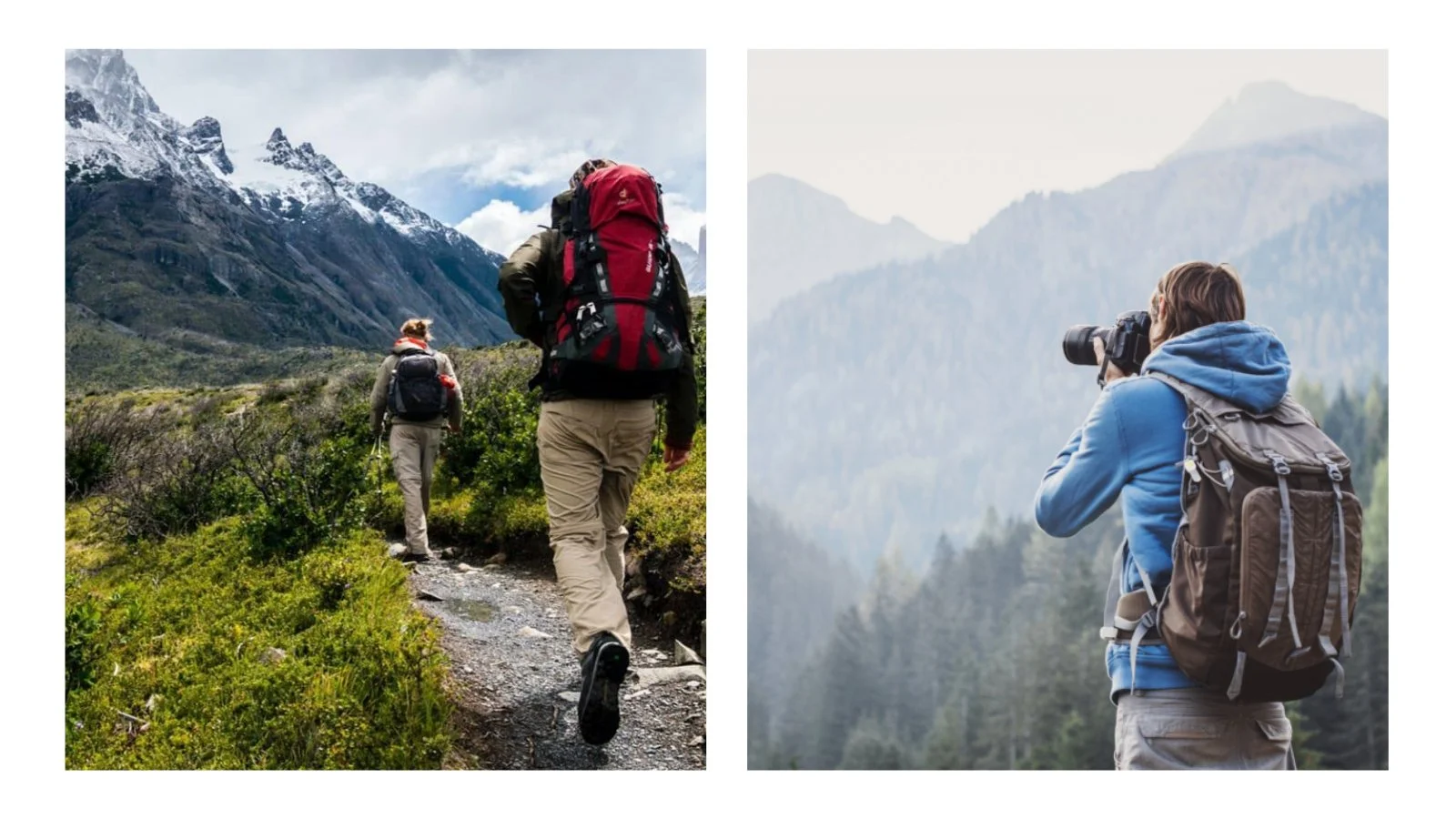
The concept of travel has transformed in recent years. Once dismissed as an unrealistic ambition that was associated with nomadism and straying from society, travel has now become a mainstream ambition.
The romanticised image of the free-spirited backpacker has been replaced by ‘Insta baddies' and vloggers.
But as travel becomes more popular, it has also become more digital.
Technology drives recommendations of not only how we travel but also where and why.
Globalisation has reshaped countries completely.
Whilst technology makes travelling more convenient, has it, along with globalisation, taken away from the cultural uniqueness that once made the destination?
Travel News Blitz writer Freya Leather gives her thoughts…
Digitalisation
From unfolding your map to unfolding your smartphone, travel planning has never been more accessible.
The democratisation of information due to technological advancements has enabled this.
What was once a case of buying the latest travel guide and manually doing your own research has now shifted to instant recommendations online.
Websites provide instant comparisons, price transparencies, and user reviews.
Travel today is guided by ratings, social media, and people’s algorithms. It is hard to know if we are experiencing places or simply following trends.
Social media has become the hub for destination discovery.
Whilst this is insightful and helps reduce disappointment or safety concerns, it has made travel seem somewhat performative.
People seek places that photograph well, turning landmarks into backdrops for photoshoots.
“Checklist tourism” has made the journey appear less interesting than the destination - as though there is a rush to get to a place, purely just to tick it off.
Capturing an experience through the eyes of a lens has never been an issue; however, does the rise of social media, along with globalisation, create a less culturally diverse, more standardised tourist experience?
We are the most connected the world has ever been digitally, yet socially we are perhaps the most distant.
Viewing the world through our phone camera, reading about a famous monument on our phones instead of booking onto a group tour.
We have become disconnected from each other physically.
READ MORE: Injured in Afghanistan, Jaco van Gass travelled to the North Pole and found a new purpose

Globalisation
Global brands have dominated cities worldwide, such as Zara, Starbucks, and H&M.
Local businesses suffer as they struggle to compete with the “global high street” prices and vast quantity of products.
Picture this: you have just arrived in Phuket, Thailand. It’s hot, the streets are filled with people and noise.
Food markets surround you with local cuisine: Pad Thai (noodle dish), Som Tum (Green papaya salad), and Gai Yang (grilled meats on a stick). The choices are endless.
Behind you, a glowing yellow light pollutes the scene. You turn to see a very familiar illuminated ‘M’ dominating the night sky.
Despite cultural differences and the reasons for which we travel - to see and experience other cultures, parts of these places are transforming into similar consumer experiences to meet tourism demand.
Whilst a lot can be said for how globalisation has created comfort in travel, it perhaps comes at the cost of losing authenticity.
It’s not all bad
We must remember the improvements that have come along with advancements in technology.
Language barriers aren’t such a barrier these days. The ability to converse with anyone through a translation app on our phones completely changes travel and can help in uncertain situations.
Digital wallets and documents mean there is less to worry about carrying around or losing.
Contact with loved ones has never been easier, although a postcard is still a lovely sentiment.
Globalisation has helped spread cultural exchange, meaning multinational corporations are able to adapt their products to local preferences.
Through social media, small businesses can gain a larger customer base. An increase in tourism helps countries' economies.
Also, the normalisation of travel that has happened for this generation shows a change to society's usual expectations of young people joining the career ladder.
So, whether you want the ‘typical’ backpacker experience or the more Insta route, travel has and will always be a life-changing experience for all participants.
The use of technology can help aid everyone's travel by as much or as little as they wish.
Travel could be classed as easier today, faster, and in a sense, more connected - but perhaps also becoming increasingly standardised.
As travellers, are we discovering the world for ourselves, or consuming a curated version of it?
READ NEXT: Travel news: Seven things to do and see in Lisbon, Portugal