Surviving the world’s roughest waters: Brendan Hall on leadership, fear and endurance
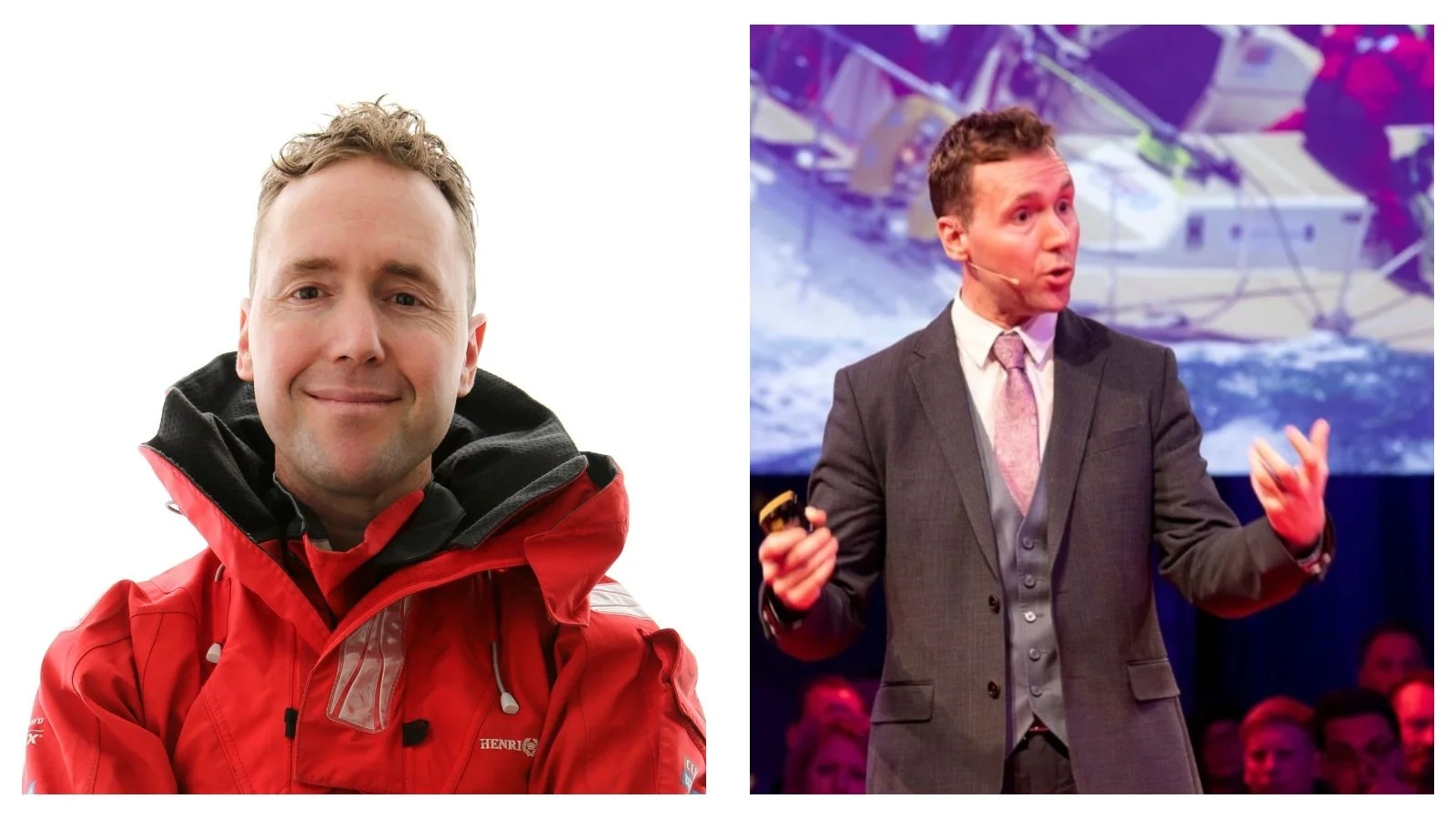
Brendan Hall is a seasoned high-performance leader and mental resilience speaker whose leadership insights have been forged at the edge of human endurance.
As skipper of a winning team in the Clipper Round the World Yacht Race, he guided ordinary people through extreme conditions over ten months at sea, demonstrating how psychological strength and emotional intelligence underpin lasting performance.
Hall’s journey from introverted listener to inspirational captain reflects a leadership philosophy built on empowering others, fostering trust and navigating adversity with resilience and compassion.
His experiences at sea — including life-or-death moments and team-driven breakthroughs — have shaped a distinctive perspective on leading through uncertainty and cultivating cohesive, high-performing teams.
In this exclusive interview with the High Performance Speakers Agency, Brendan Hall shares how lessons from the world’s toughest maritime race can help organisations build resilience, master emotional complexity and lead with clarity under pressure.
Q: As one of only ten people to lead a winning team in the Clipper Round the World Yacht Race, what personal qualities do you credit to this success?
Brendan Hall: “That’s an interesting one. I think I have to start off by saying there was a lot of luck involved. Like all of us, I am a product of my experiences. If I was born in a different time and place, or with a less able body, then I wouldn’t have been able to do it. So there was a huge amount of luck to begin with.
“In terms of personal qualities, I’m not a typical leader. I’m quite quiet and a big introvert, so I’m actually very good at listening, which I think became a bit of a superpower. It allowed me to harness good ideas by creating silence and giving people space to have a voice in my team.
“I’m also quite introspective. In my book, I talk about all the preparation I did before the race. A lot of that was about understanding which qualities were going to help me become a winner and which things might hold me back.
“Being honest about those strengths and weaknesses allowed me to build a team around me that filled in those gaps and created a strong leadership team on board the boat.
“Persistence is another key quality. Call it stubbornness, which my wife probably would, but for me it’s just a real persistence to push through no matter what happens and keep going through the other side.
“I think, ultimately, it comes down to being good with people. Being able to listen, relate, understand what motivates people and figure out how to work best with them. The Clipper Round the World Race made it very clear to me that it was a race of ten teams, not ten yachts.
“Each team was made up of people from very different backgrounds, all wanting different things from the experience. Keeping them safe and performing for ten long months at sea was one of the biggest challenges of the whole race.”
Q: How dangerous is yacht racing, and have you ever been in a life-or-death situation?
Brendan Hall: “Yes. In fact, the start of every keynote speech I give begins with this story. I was so worried that I was physically sick. I actually vomited down the front of my red Gore-Tex sailing suit, convinced that one or more of my team was about to die within the next hour.
“It is dangerous. The Clipper Round the World Race has had fatalities. It’s not a cotton-wool experience. Every crew member signs a very serious contract acknowledging the risks and confirming they are prepared to go.
“On my race, we had two genuine life-and-death situations. I’m very pleased to say we got through both with no fatalities and only a couple of minor injuries over the whole race. I think that sense of risk attracts people. They are ordinary people from ordinary backgrounds, but there is a real sense of putting your life on the line and doing something extreme.”
READ MORE: Reimagining the road ahead: Andy Pag on the future of sustainable travel

Q: As a former captain, how would you describe your leadership style?
Brendan Hall: “My leadership style is definitely about taking backwards steps and empowering people. It’s about encouraging them, supporting them, giving them the tools they need, and not punishing failure.
“I try to create psychological safety so people feel confident thinking for themselves rather than continually deferring to me. At the start of the race, leadership was very directive. I was shouting instructions to a willing crew and all eyes were on me. That feels good and gives you energy.
“Over time, the journey becomes about stepping back and allowing the crew to reach their full potential.
“That can feel uncomfortable because you don’t feel as in control. But that’s part of leadership maturity. What got me to that point wasn’t going to get us to the next level of performance.
“My role shifted from operational leadership to more strategic and people-focused leadership. That feeling of having given something away really resonates with audiences I speak to, but the most mature leaders are those who step back and empower their teams to think and act independently.”
Q: What role does emotional intelligence play in both sailing and business?
Brendan Hall: “It plays a massive role. The Clipper Race is fascinating because all ten boats start with identical resources, yet they end up as ten completely different environments. Each team becomes a microcosm of its leader.
“Emotional intelligence was something I struggled with at the start. I understood it academically, but under pressure, my emotions became closely tied to performance.
“When we were doing well, I was great. When we weren’t, my mood dropped and dragged the team down with me.
“My crew challenged me about this after a few weeks. In a very British mutiny, they met while I was asleep and discussed how my emotional volatility was affecting morale. One of them, an HR director, told me directly that it was unacceptable and needed to change.
“That was a huge wake-up call. I wrote a note above my bunk that said, ‘Your mood equals their mood.’ It was a reminder of the emotional shadow I cast as a leader. People watch how you behave and mirror it.
“Leaders need to balance authenticity with consistency. Nobody wants an emotionless android, but people also need stability. That understanding transformed how I led, and it’s a lesson I believe applies to all leadership, whether at sea or in business.”
This exclusive interview with Brendan Hall was conducted by Chris Tompkins of The Motivational Speakers Agency.