Travel tips: Hiking the Salkantay Trail to Machu Picchu in Peru
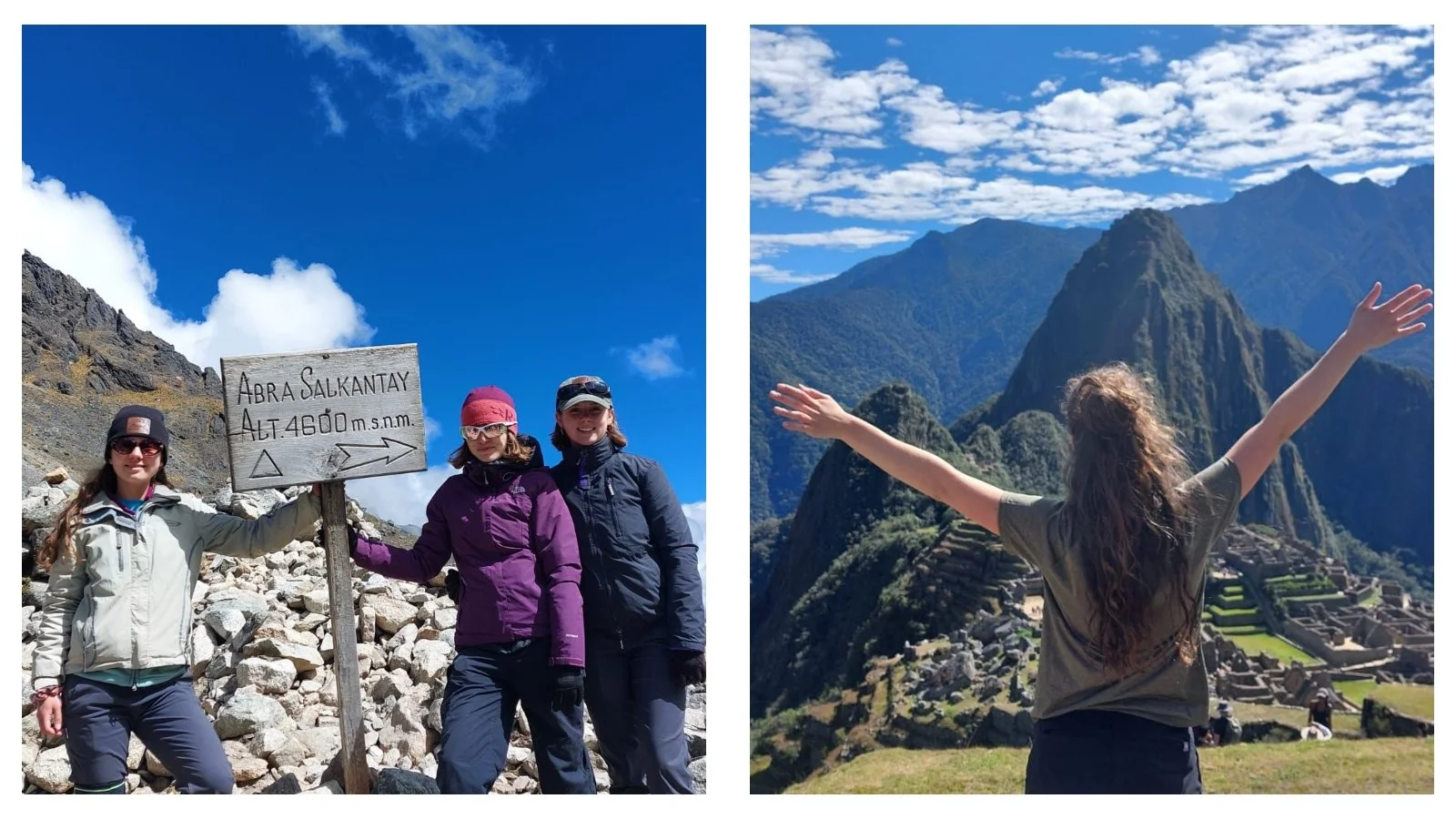
After five days hiking through the Andes in Peru, sore feet and tired eyes are numbed by the images of green lakes, snowcapped mountains and horses trekking through rocky terrain.
Peru offers a diverse and natural beauty like no other I have seen, writes Travel News Blitz’s Chloe Willis, and the Salkantay Trek is at the pinnacle of this.
However, to enjoy everything this trip has to offer, preparation and awareness of the challenges that you may face are essential.
46% less oxygen at the highest points
The hike reaches heights of up to 4,600m in altitude, with the third day seeing an 800m climb in a matter of hours.
This kind of altitude sees the body, and most crucially the brain, receiving 46% less oxygen than it would at sea level, which can have a huge impact on your ability to continue hiking.
I personally experienced some light dizziness and a headache, while others were physically sick and extremely dizzy, occasionally needing an oxygen shot or the help of a horse to reach the peak.
While it is often unpredictable how one might react to such high altitudes, there are several ways in which you can best prepare for this kind of shock to the system.
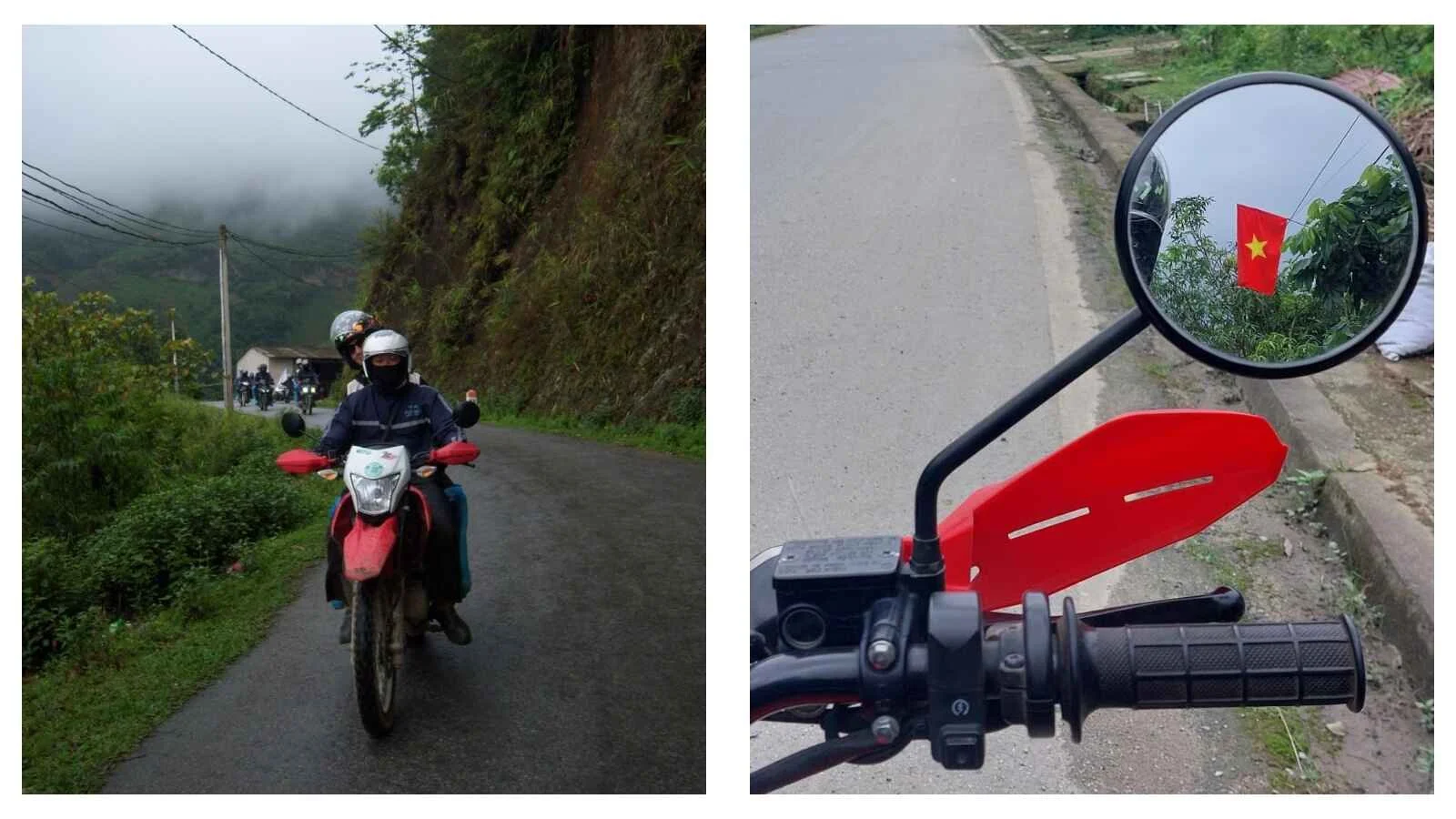
MORE BY CHLOE WILLIS: Motorbiking around the Ha Giang Loop in Vietnam: Busting common myths and a review of Flipside Adventures
How to deal with the altitude
The first is time - make sure you give yourself plenty of time to acclimatise.
We spent two days in Arequipa, where the elevation was 2,300m and then took the bus to Cusco, where we spent five days before the trek, adjusting to the conditions.
This included hiking Pallay Puncho, one of the rainbow mountains in the surrounding area of Cusco, which reached an elevation of 4,800m.
It is also important to take things slowly when getting used to such a dramatic change in oxygen levels, including lots of rest and walking around at a comfortable pace.
Taking lots of breaks allows your breathing to catch up and your heart to beat less violently against your rib cage.
The second is coca tea.
I started drinking this from quite early on in the trip, as it is said to reduce physical symptoms of altitude sickness, such as stomach ache and dizziness, as well as increase oxygen intake.
Equipment and changing temperatures
Being properly equipped for a trek like this is essential, with steep terrain and high altitudes leaving you susceptible to injury and discomfort.
Layers are crucial, with mornings beginning at 5am, adorning thermals, three jumpers and a woolly hat.
However, as soon as the sun dipped into the valley underneath the mountain peaks and lit up the faces of fellow hikers, said layers were quickly removed.
Walking in shorts and a t-shirt was almost too much at this point.
The temperatures were particularly cold when hiking adjacent to Salkantay, but reached a peak-high once we entered jungle-like terrain.
Unfortunately, I was a little delayed with the bug spray, and my legs were spotted with red marks by the following morning.
Bug spray and sun cream are a must!
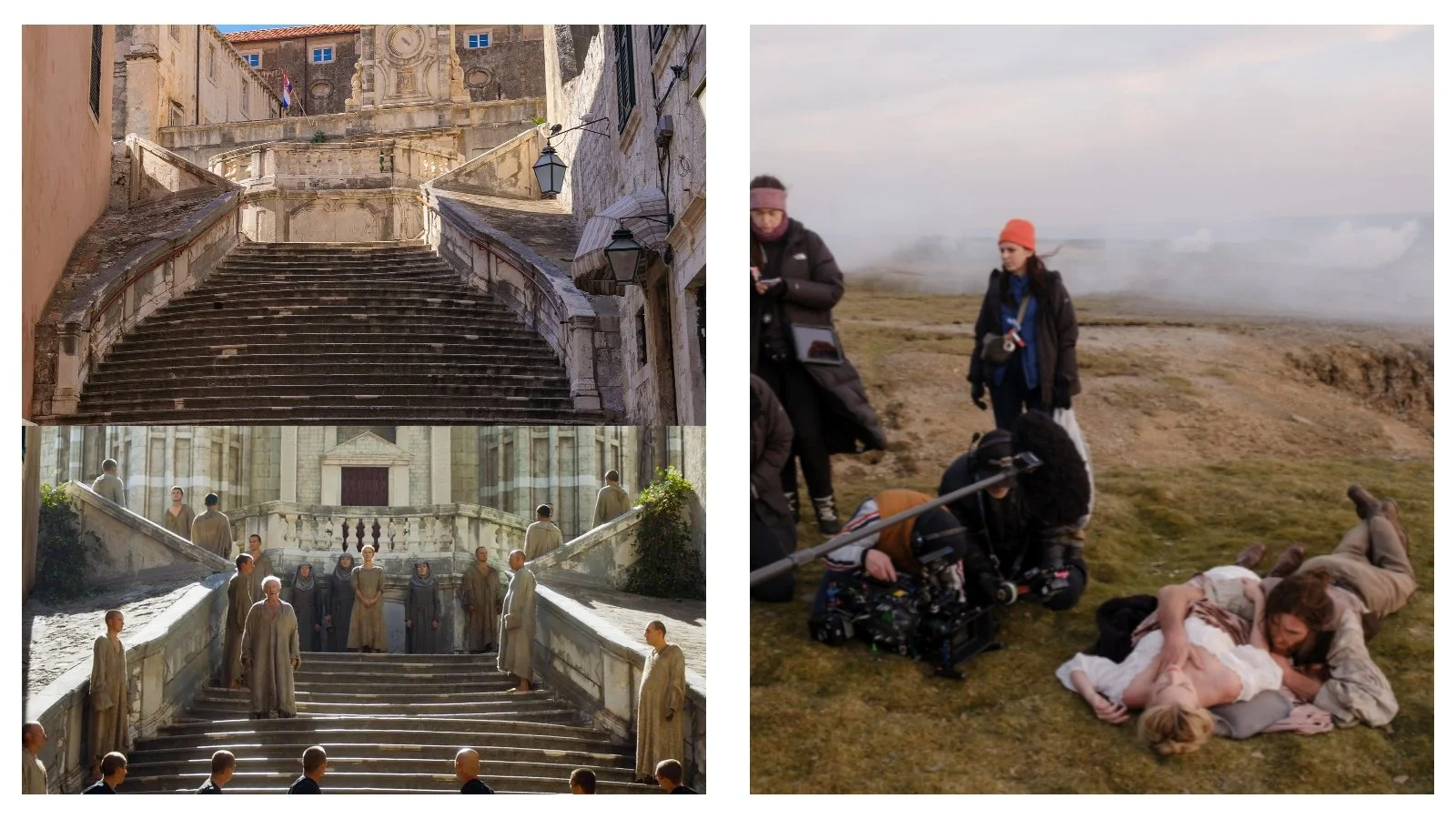
YOU MAY ALSO LIKE: Travel news: The set-jetting boom - How TV and film are inspiring our travel choices
Take the pressure off your legs
We were also, luckily, provided with free walking poles by our tour company, Alpaca Expeditions.
I had done hikes in the Brecon Beacons and the like before, but was not prepared for the challenging nature of hiking in the Andes, so would not have opted for these had they not been provided.
I was beyond grateful that they were, with them taking much of the pressure off of my legs, which were screaming out for oxygen.
A knee injury earlier in the trip also meant that the poles made it much easier on my body for the steep downhill sections.
I was lucky enough to have a lovely Canadian woman on my trip, who helped me strap up my knee throughout the trek (shoutout to Paige!).
It really was a lesson in bringing the right support and first aid equipment.
If you do have your own walking poles, or the opportunity to add them with your tour company, this is something I would highly recommend, as it makes the trekking much less daunting.
Passport and phone
The tour company we went with, Alpaca Expeditions, provided what I would describe as a luxury experience.
We stayed in ‘hobbit houses’, glass domes and cabins, all equipped with charging ports, so your phone was ready for photographs each day.
There was no signal on the trek, so it couldn’t be used for much else.
I was rather pleased to be able to spend five days completely unplugged, as it allowed me to fully immerse myself in my surroundings and the group camaraderie.
You are given duffel bags before embarking on the trip, as the horses can only carry so much weight, so make sure to pack light.
But don’t forget your passport, as entry to Machu Picchu would be denied without it.
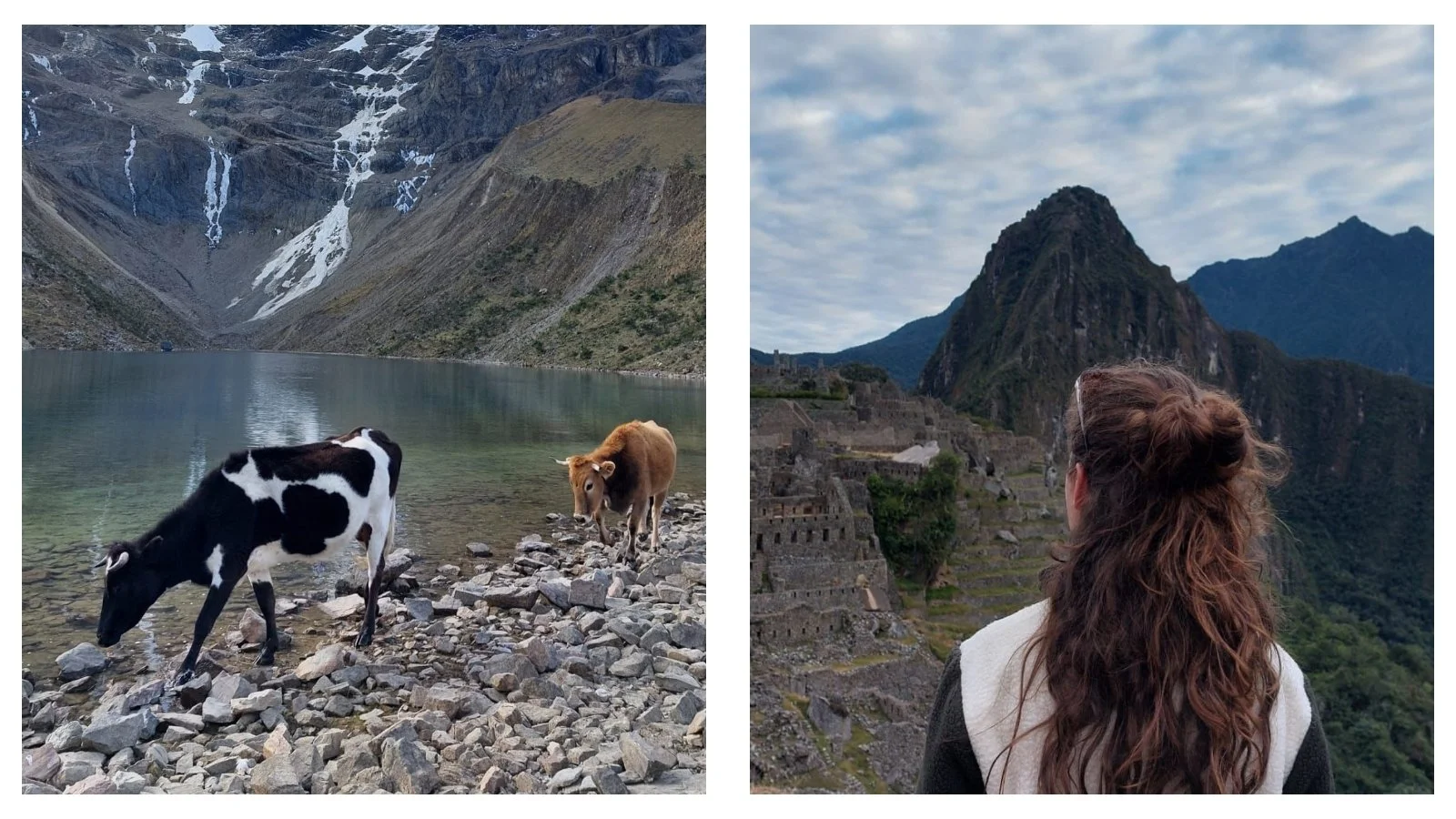
This, of course, must be mentioned, as it is the reward you received after hiking over 70km through mountainous terrain, and it truly did not disappoint.
A stone city standing proudly on a green mountainside, surrounded by views for miles, it would have been impossible to leave it out of the seven wonders.
Food and hydration
Remaining hydrated and eating the right amount of food are important for helping your body deal with changing altitudes and intense exercise.
Filtered and purified water was provided by the company, but drinking the herbal tea also aids in faster hydration, which helps reduce the impact of the altitude on headaches.
Despite alcohol consumption being inadvisable, the group did get slightly carried away one evening after a trip to the hot springs.
The Macarena brought everyone together, and evolved into a full DJ set by myself, with beers flowing and tequila shots being passed around.
Travellers from England, America, Canada, the Netherlands, Denmark, India and the like all danced and sang together, solidifying the group bonding.
Peruvians don’t do small portions
It is also crucial to not over eat on the trip, as eating too much too fast can lead to bloating and discomfort, as well as contributing to fatigue.
Of course, stay well fed, as thousands of calories are burnt, but take your time.
I found this particularly difficult, as the food was so delicious, and Peruvian chefs don’t include ‘small portions’ in their vocabulary!
We got to taste national dishes like lomo saltado (a personal favourite), as well as a variety of vegetables, potatoes and meats cooked to perfection.
The freshest avocado you can possibly get was served the first morning, picked from a tree in the garden of a homestay, and it was delicious.
MORE TRAVEL NEWS: Worlds colliding: The best culture exchanges from the 2026 FIFA World Cup
Take it all in
A lot of the advice I have to share revolves around taking things slowly to aid with the altitude and the pressure you are putting your body under.
However, I also think it is crucial to do this just to fully absorb the breathtaking views and unforgettable memories you are making on this trek.
At each corner turned on the forest path, a small waterfall might be seen cascading through rocks, or a lizard crossing the dusty walkway into the sun.
After each 20-foot step up the steep face, I would stop to peer upwards at the mountain looming above me, as it got that little bit closer, and you could take in a more in-depth version.
Horses would tread over grassy verges, carrying food and clothing to the next camp, their curly manes being pushed by the breeze as they edged forward.
We found Humantay Lake nestled in the crook of a mountainous valley, its green hue sparkling (literally) as the sun danced off its surface.
The group would be laughing about stories told from across the globe, home for some, travel destinations for others.
If you didn’t take a break, you might miss a special moment, even just a glimpse of one.
So, take your time.
Because when the five days are over, you will wish you had walked back down the mountain, just so you could do it all over again.
READ NEXT: Travel review: Palermo, Sicily - the food that took my trip to the next level