Travel analysis: The great conflict - An environmental traveller
Travel’s allure is undeniable, but our mark can be deadly; here’s how to travel without opening Pandora’s box, writes Travel News Blitz’s Abbie Latymer.
Summer is fast approaching, meaning hotels are booked, suitcases are packed, and the promise of rest sits on the horizon.
Whether you are hiking the Inca Trail, tasting pizza in Naples, or sunbathing in your own back garden, the luxury of a break is something we all look forward to.
But what actually makes a good holiday?
While low prices and value for money often shape people’s choices, it is the aesthetic landscapes, good weather, and unique experiences that make trips memorable.
Yet tourism, for all its beauty, has a darker side.
Tourism opens Pandora’s box
Despite travellers’ desire to visit healthy, thriving environments, tourism can be destructive.
Your transport, accommodation, food choices, activities, and behaviour all leave an environmental footprint.
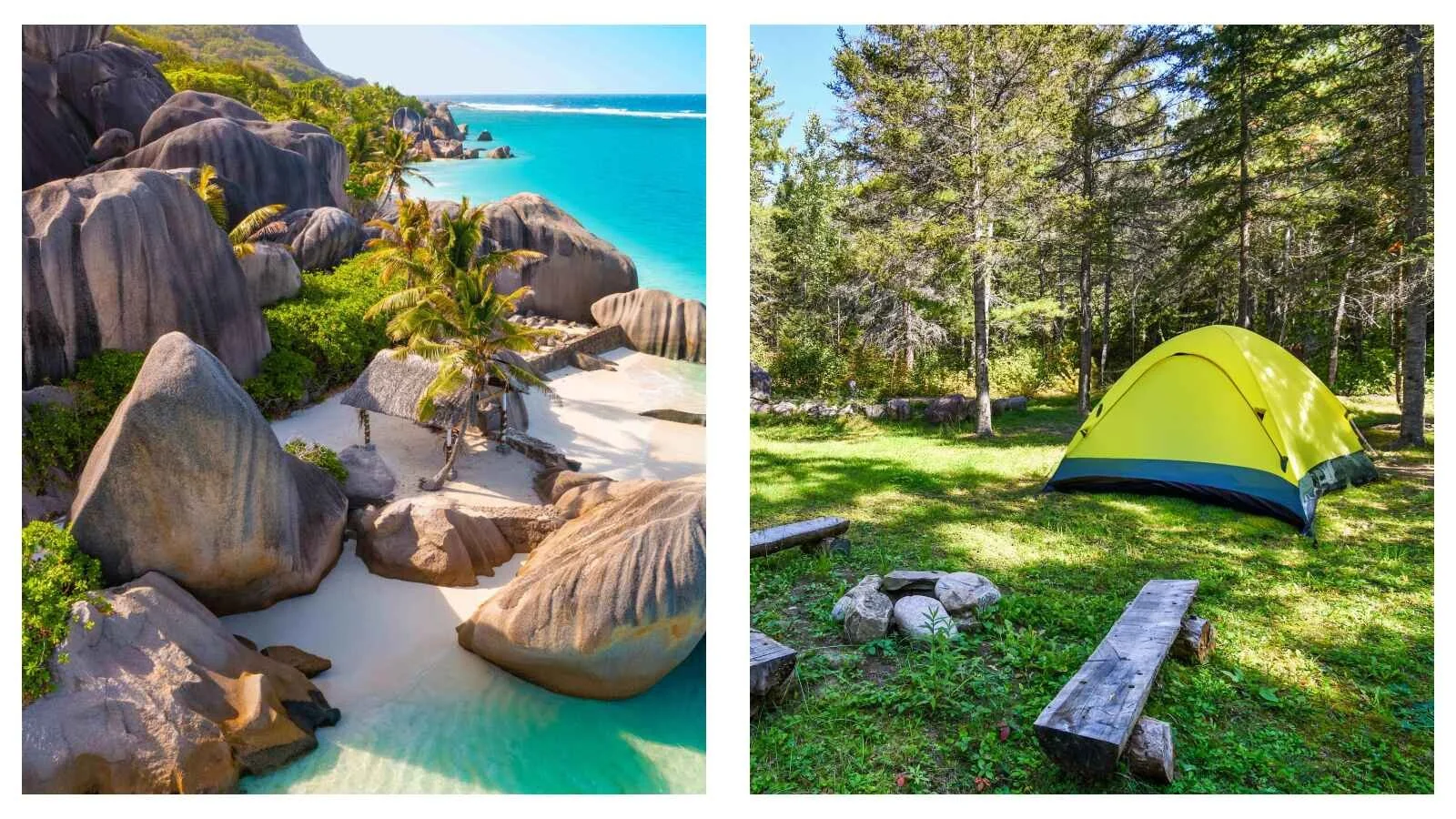
Last year, I travelled to the Seychelles for a conservation internship. I conducted surveys, collected litter, and helped restore coral reefs through coral nurseries.
It was an experience that forced me to face reality, apathy is overriding care.
The Seychelles, an island nation of 115 islands in the western Indian Ocean, is often described as “The Garden of Eden.”
Golden era fading
Its turquoise waters, coral reefs, and endemic wildlife have long fuelled its economy, which relies heavily on tourism and fishing.
But its golden era is fading.
In 1998, the islands experienced mass coral bleaching due to rising sea temperatures and ocean acidification, driven by rising carbon emissions.
Healthy reefs are not only home to millions of marine species but also act as natural flood barriers.
Without them, snorkelling and scuba diving experiences become less sought after, and residents risk losing their homes to flooding.
YOU MAY ALSO LIKE: Travel guide: A love letter to Cyprus - Where to stay, what to eat and more
Restoration efforts
Even today, much of the coastline resembles a graveyard.
Despite ongoing restoration efforts, reefs remain pale, species diversity is reduced, and the ecosystem is still struggling to recover.
The Seychellois government continues to prioritise ecotourism and educate visitors, but the challenge of reversing the damage already caused remains immense.
Finding the right balance
Growing up in a family that valued adventure and cultural immersion, sustainable travel has always been central to my life.
Here are key considerations for your next trip.
Transport
Plane travel and cruises are among the biggest contributors to carbon emissions, with car journeys following behind.
Climate scientists recommend avoiding flights where possible by using buses or trains for domestic travel, and ferries or the Eurostar for trips abroad.
Use e-bikes or walk to get around cities, and take trains, trams, or buses for longer journeys.
Taxis and car rentals often appear more convenient, but once you start using public transport regularly, you will find it can be just as easy and often much cheaper.
When choosing a destination, ask whether the experience justifies the carbon cost. If you simply want a week on a warm beach, you may not need to fly halfway across the world.
But do not punish yourself for flying. The goal is mindfulness and reducing impact where possible.
Take a break from all-inclusive resorts
Western tourists are known for favouring cheap all-inclusive holidays and overpacking suitcases.
The UK’s biggest tour operators, including TUI, easyJet Holidays, Jet2 Holidays, and Barrhead Travel, report that all-inclusives remain their most popular option.
It makes sense. They are convenient and often feel like good value for money.
However, despite efforts to make them more sustainable, they are extremely wasteful and contribute little to local economies.
Buffets encourage overconsumption. Food that cannot be reused is thrown away.
Guests take longer showers, use more resources, and often try to “get their money’s worth,” frequently ignoring the environmental cost.
While not everyone behaves this way, the setup often isolates travellers from the real world.
READ MORE: Travel news: A first-timer’s guide to Tokyo - Where to stay, what to pack and more
Alternative ways to travel
If you want a more sustainable and meaningful holiday, consider boutique hotels, campsites, hostels, or homestays.
These options are culturally immersive, environmentally lighter, and support local communities.
They encourage conversations with locals, reduce waste, and allow you to experience local food.
This style of travel connects you to the world rather than shielding you from it.
Choosing restaurants that use local ingredients, reducing meat consumption, and eating snacks from markets and bakeries instead of mass-produced supermarket items can also benefit communities.
Take it a step further
If you are open to giving back, there are countless opportunities to volunteer in conservation or humanitarian projects, or to exchange work for accommodation and meals.
Providers like GVI, Projects Abroad, IVHQ, and IVI offer volunteer travel programmes.
These experiences help others but also build confidence, self-esteem, and lasting memories.
Don’t be fooled by greenwashing
Unfortunately, many businesses market themselves as sustainable and green when they are not.
Research animal sanctuaries carefully and be critical of whether they are ethical.
Many elephant sanctuaries claim to help animals, however activities such as feeding and bathing elephants can be harmful. Elephants are often trained to accept food from people, and bathing experiences can require them to stand for long periods in unnatural conditions. Both can negatively impact their health.
It is important to research all elements of your holiday and focus on the details.
Hotels that claim to be sustainable but are built with materials linked to deforestation or feature artificial lagoons are unlikely to be as eco friendly as they suggest.
The main message
You can enjoy travel and explore new cultures while still being sustainable.
Research your destination, transport options, accommodation, and activities. Pack light, consume mindfully, and choose local businesses.
These small decisions help protect the places you love and ensure they remain for future travellers.
READ NEXT: Travel news: Hidden gems in and around Barcelona’s Gothic Quarter