Travel tips: Every major visa change in 2026 you need to know
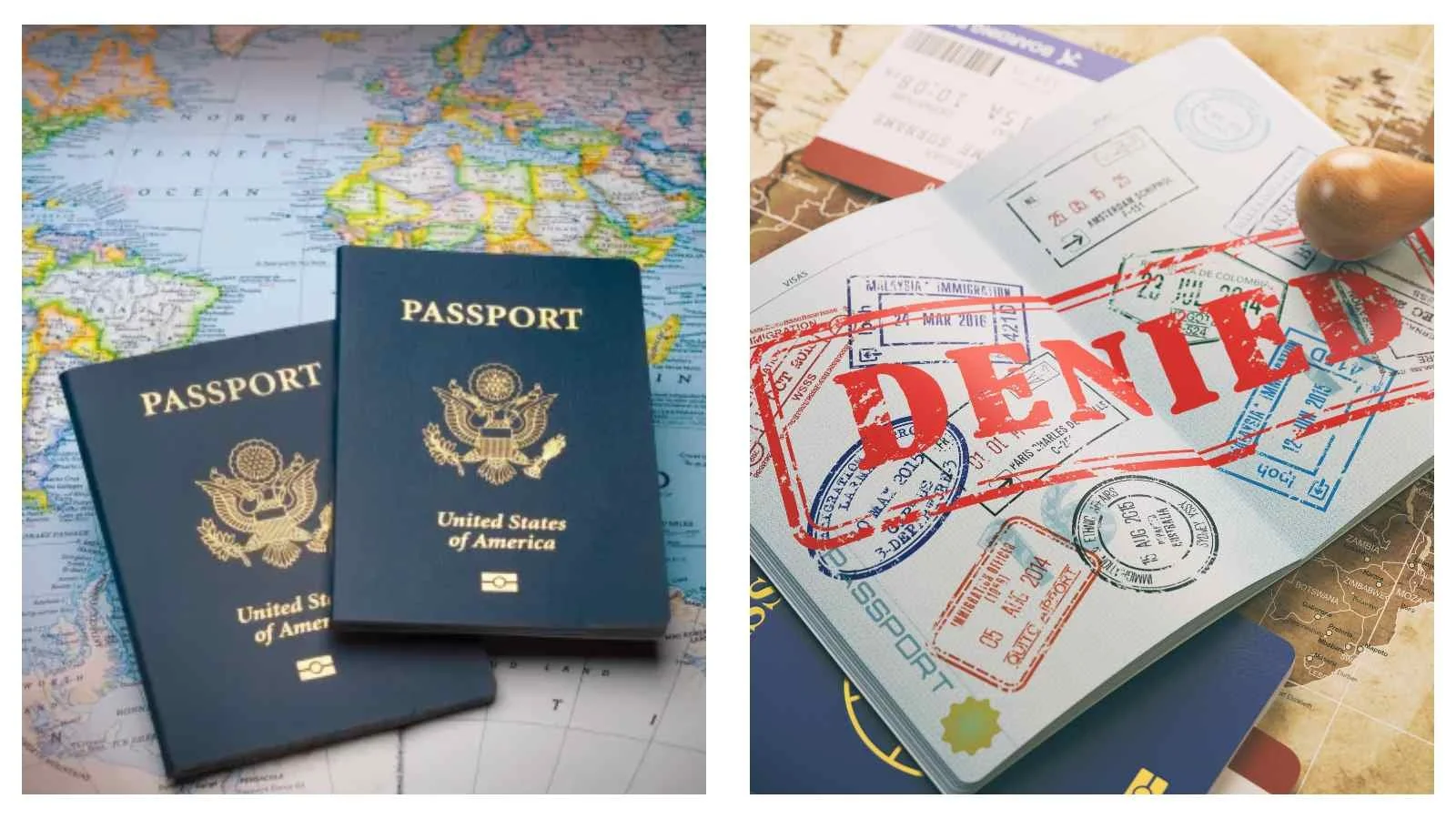
If you are travelling in 2026, you should know the rules have changed. From a new digital border system to sudden visa shifts, here’s everything you need to know before booking, writes Travel News Blitz’s Jesse-Ann Baron.
What is the EU entry/ Exit system and does it affect me?
The EES is the first step in modernisation of travel with European borders slowly replacing ink stamps on passports for a facial and fingerprint scanning system.
This automated IT system is for specifically non-EU travellers staying for a short-term, which is up to 90 days within a 180-day period.
The European countries adopting this are:
Austria, Estonia Iceland, Malta, Slovakia, Belgium, Finland, Italy, Netherlands, Slovenia, Bulgaria, France, Latvia, Norway, Spain, Croatia, Germany, Liechtenstein, Poland, Sweden, Czech Republic, Greece, Lithuania, Portugal, Switzerland, Denmark, Hungary, Luxembourg, Romania
Cyprus and Ireland are exceptions as they are part of the EU but they are still manually stamping passports.
The system applies to you if you are a non-EU national and that includes those who have visa-free agreements.
There are exemptions such as non-EU nationals with residence cards and those with a direct family relation to an EU national.
You may be wondering how this is a good thing, but actually it makes travel less tedious.
Self-service options
Border checks will be fast and efficient with self-service options and the ability to submit information before you even arrive.
The data collected by the EES is all information on your passport (such as date of birth, full name, etc.), biometric data, the date and place of entry and exit and whether you were previously refused entry.
There’s a downside for school trips with EES as each child will need an individual passport and collective passports will no longer be accepted.
The biometric data system accurately tracks your physical entry and exit of the Schengen area; this system will increase security against terrorism and serious crimes like human trafficking.
This will prevent people from using fake identities, overstaying or those who misuse visa-free travel abroad.
The EES system started operations on October 12, 2025, but has been fully operational since April 10, 2026.
YOU MAY ALSO LIKE: Travel news: 17 in Slovenia, 18 in Spain - A backpacker’s guide to Europe

What is ETIAS and when does it start?
European Travel information and Authorisation system (ETIAS) is a new travel authorisation for visa exempt travellers.
The ETIAS requires visa-exempt travellers to pay EUR 20 in order to apply online.
ETIAS is free to those under 18 and above 70; if you have a direct EU national family member you are also exempt from paying.
Unlike the EES this new system is not currently operating but will become operational in the last quarter of 2026 in these 30 countries:
Austria, Denmark, Hungary, Luxembourg, Romania, Belgium, Estonia, Iceland, Malta, Slovakia, Bulgaria, Finland, Italy, Netherlands, Slovenia, Croatia, France, Latvia, Norway, Spain, Cyprus, Germany, Liechtenstein, Poland, Sweden, Czech Republic, Greece, Lithuania, Portugal, Switzerland
If approved with valid ETIAS authorisation you can visit these countries as often as you like for short term stays (up to 90 days in 180-day period).
However, this does not mean you will be allowed entry – only if the border guard verifies that you meet the country’s entry conditions.
The ETIAS is valid for up to three years and is linked to your passport, so if it expires you need to apply again for another ETIAS.
You should apply well in advance for your authorisation as processing can happen in minutes or up to 30 days if they require an interview with you or need additional documents or information.
On arrival at the border, make sure you have the same passport you used to apply for the ETIAS, otherwise you will be restricted from boarding your flight or entering any of the ETIAS European countries.
Do I need an ETA to visit the UK in 2026?
The UK is currently digitalising their authorisation of travel for non-visa exempt travellers.
Those who do not need an Electronic Travel Authorisation are:
Irish and British passport holders
Those with permission to work, live and study in the UK
Dual British citizens
Any country that is required to have a visitors visa
Those usually required to have an ETA are people from Europe, USA, Canada, Australia and other visa-exempt countries.
An ETA costs EUR 20 to apply online, some websites cost more but make sure to apply on official government sites.
The ETA lets you travel for up to six months to the UK, Jersey, Guernsey and the Isle of Man.
If you are visiting for family, friends, a fun little business trip or for short-term study then the ETA is perfect for you.
If you are travelling in a group or with family every person will need an ETA, even babies and children.
You are allowed to apply for other people.
The ETA does not guarantee entry – for people with criminal records or those previously denied entry, it is suggested they apply for a standard visitor visa instead.
Also with an ETA you can not stay longer than six months in the UK, get married, claim public funds, do paid or unpaid work or live in the UK through frequent visits as these require specific visas.
This is just one of many steps taken by countries to strengthen and digitise border control.
The ETA has been in effect since 2023 but on February 25, 2026, it was fully enforced.

Is Thailand still visa-free in 2026?
Since July 2024, citizens from 93 countries were able to visit Thailand visa-free for up to 60 days.
This came after the COVID-19 pandemic which prompted them to boost their economy through tourism with this visa-free initiative.
The rise in crimes committed by foreign nationals have called for tighter immigration rules.
This new rule requires these 93 countries to apply for a visa, not after 60 days, but now 30 days.
For those who planned a 60 day trip to Thailand, you will need to cut it short and be aware that if you are from a 30-day visa-exempt country so be ready for closer screening at entry checkpoints.
This shift is to increase their nation's security and prevent visa-exempt nationals from abusing immigration freedoms.
Their law enforcement is going to be stricter with visa-free nationals frequently visiting from now on.
There are other visa changes concerning Thailand but this is the biggest one that affects countries such as the UK, USA and Canada.
This shortening of visa-free days was decided by the Thailand cabinet on May 19, 2026, but the official start date has not been announced.
The cabinet approved the policy, but only after it is published in the Royal Thai Gazette will it become law.
Once it is published 15 days must pass before it is officially in effect.
China just opened its doors, but only for a limited time
China has extended their unilateral visa-free policy to 30 days.
This applies to 50 countries; these passport holders will be allowed to enter China visa-free for business, tourism, visiting friends and family.
This applies to these countries:
Brunei, France, Germany, Italy, Spain, the Netherlands, Switzerland, Ireland, Hungary, Austria, Belgium, Luxembourg, New Zealand, Australia, Poland, Portugal, Greece, Cyprus, Slovenia, Slovakia, Norway, Finland, Denmark, Iceland, Andorra, Monaco, Liechtenstein, the Republic of Korea, Bulgaria, Romania, Croatia, Montenegro, North Macedonia, Malta, Estonia, Latvia, Japan, Brazil, Argentina, Chile, Peru, Uruguay, Saudi Arabia, Oman, Kuwait, Bahrain, Russia, Sweden, Canada and UK
So, if you have a dream to go to China and you are from one of these countries, this year is the year as this will only be in effect until December 31.
Russia will be visa-free until December 31, 2027, and Brunei will permanently be able to visit China on a 30-day Visa-free visit.
When you arrive at the border be sure to bring proof of your plans as you will not be allowed entry unless for the aforementioned reasons.
What is the bigger trend in travel this year?
Countries are moving away from paper and becoming fully digital.
If this trend continues soon there will be no physical passports and the only place you will see them is in museums.
Many countries are becoming more strict with border control with the rise of immigration.
Never in history have humans travelled across the globe as much as we do now, at an increasing rate.
This leaves many countries scrambling to control their borders, so these new technological implementations will hopefully make travel more easy and countries more safe.
The main takeaway is to plan way in advance, so when you make that WhatsApp friend group for that trip to Japan 2026 make sure to check for any requirements months in advance.
READ NEXT: Benidorm travel tips: Things to do, see and explore