Travel news: The souvenirs you don’t pack
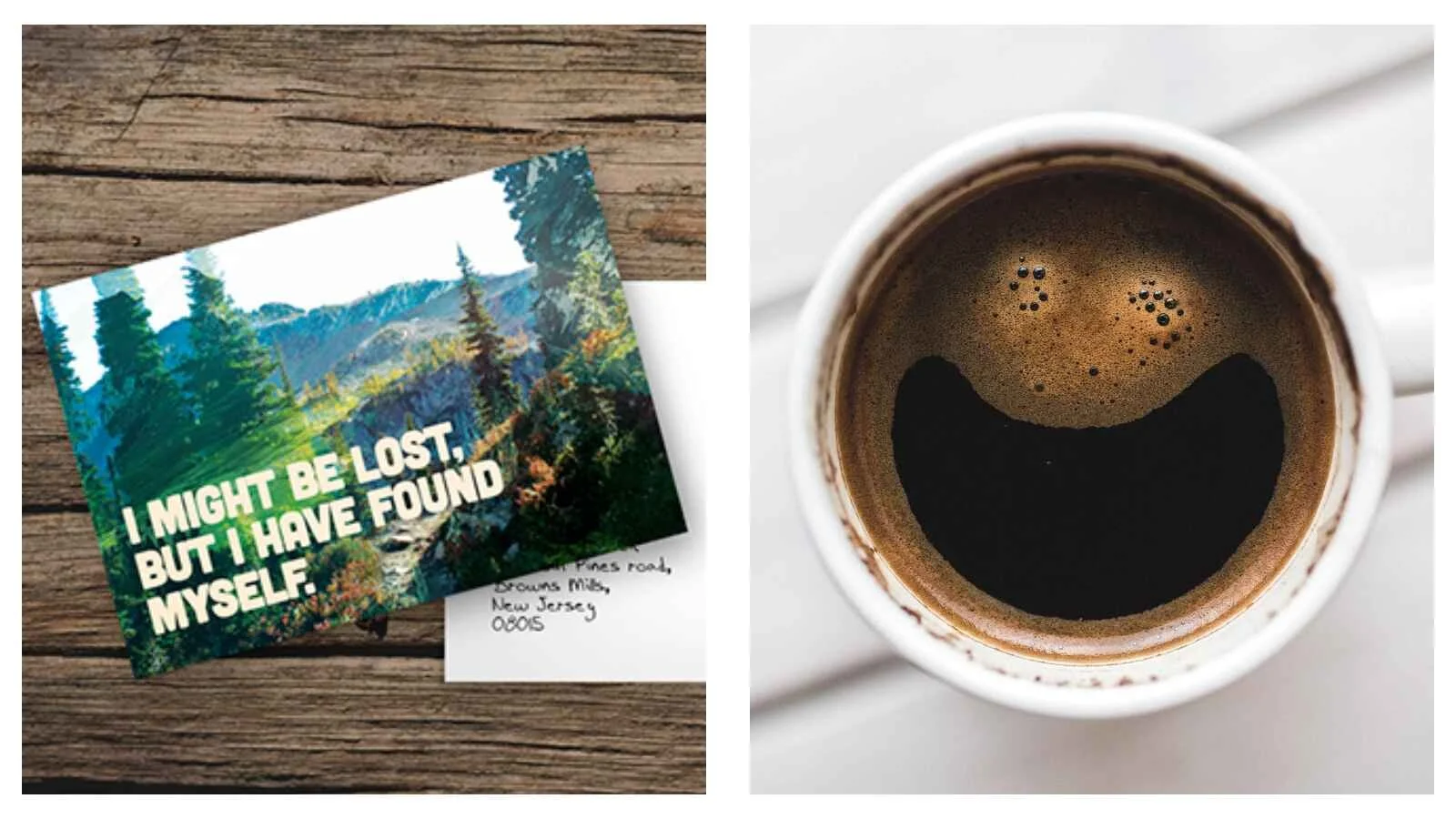
By the end of your trip, your bag is fuller than when you left, filled with receipts you meant to throw away, postcards you never got around to sending, and clothes that somehow multiplied along the way.
You bring these things home, unpack them, and watch as they slowly settle into the background of your life, writes Travel News Blitz’s Freya Leather.
The visible and invisible
What you don’t pack into your bag is harder to notice while it’s happening.
A different pace to your mornings.
A phrase you picked up and can’t help repeating without thinking.
The quiet shift in how you move through a day when no one knows who you are.
These are the things you don’t decide to keep, but they follow you back anyway.
In the moment, they’re easy to miss.
Adapting elsewhere
Travel has a way of overwhelming you with directions, what to eat next, and how to say thank you.
The small adjustments you make to fit into a place don’t feel significant at the time.
You wake up earlier because the sun hits the curtains differently than it does at home.
You eat later because that’s when everything begins.
You walk more slowly, setting your own pace. None of it feels like change, just adaptation.
READ MORE FROM FREYA LEATHER: Travel news: Coming home a stranger
Fragments of a place
It’s usually only once you return home that these fragments begin to surface.
You pause longer over your morning coffee.
You hesitate before rushing through a meal.
A word slips into your vocabulary, detached from its original context but still carrying something of it.
On their own, these moments feel small, almost forgettable, but together they form a kind of residue, a trace of another way of living.
Absorbed, not collected
It’s easy to show someone a photograph or hand them a souvenir, but describing the feeling of a place you’ve become in tune with is something else entirely.
You can’t quite recreate the pace of a quiet street in the middle of the afternoon, and even the habits you try to hold onto often lose their shape once they’re removed from the environment that gave them meaning.
The strange thing about these intangible souvenirs is that you never consciously choose them.
You don’t set out to collect them, and you can’t predict which ones will last.
They accumulate in the background, formed out of ordinary moments you barely register at the time.
In that sense, they are less like objects and more like habits, absorbed rather than acquired.
And unlike the things you pack in your bag, they don’t belong entirely to the place you visited.
Once they’ve settled into your life, they become something else, a combination of where you were and where you are now.
A different kind of souvenir
Meanwhile, the physical souvenirs remain.
They sit on shelves, tucked into drawers, occasionally rediscovered.
They have their own purpose.
They anchor memories, give them form.
But over time, it’s often the intangible things, the ones you couldn’t hold onto if you tried, that feel more enduring.
Not because they’re bigger or more meaningful, but because they’ve folded into the way you live.
Quietly, without asking for attention, they stay.